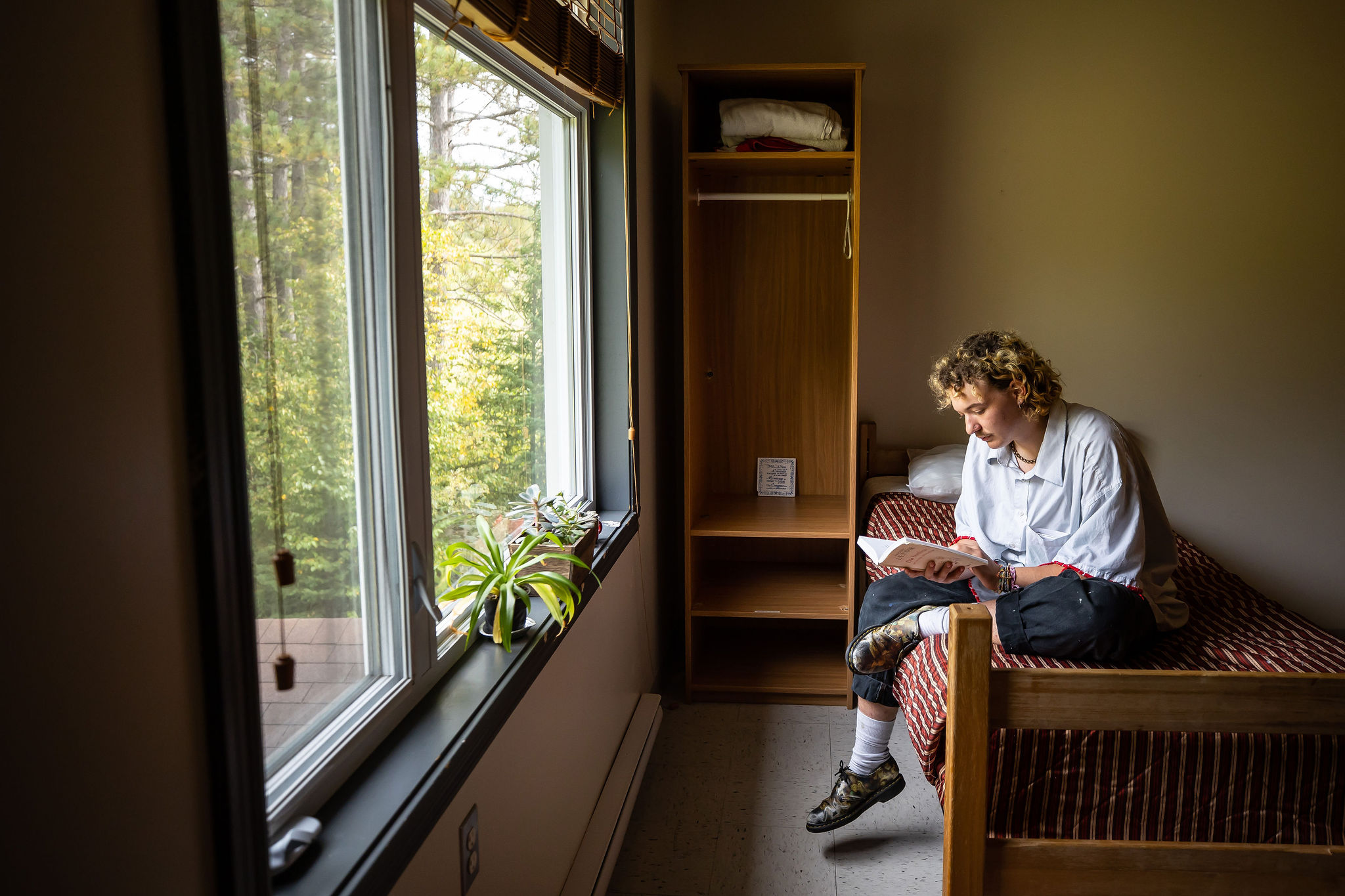
All our centres provide residents with opportunities to be active and discover or rediscover activities and hobbies during therapy.
Prior to arriving at Portage, many residents had given up activities or hobbies they previously enjoyed. This new opportunity to resume their interests lets them enjoy life without resorting to drugs.
Activities vary from one centre to another and may include:
- Team sports
- Music
- Arts
- Community garden
- Zootherapy
- Book club
- Cooking workshops
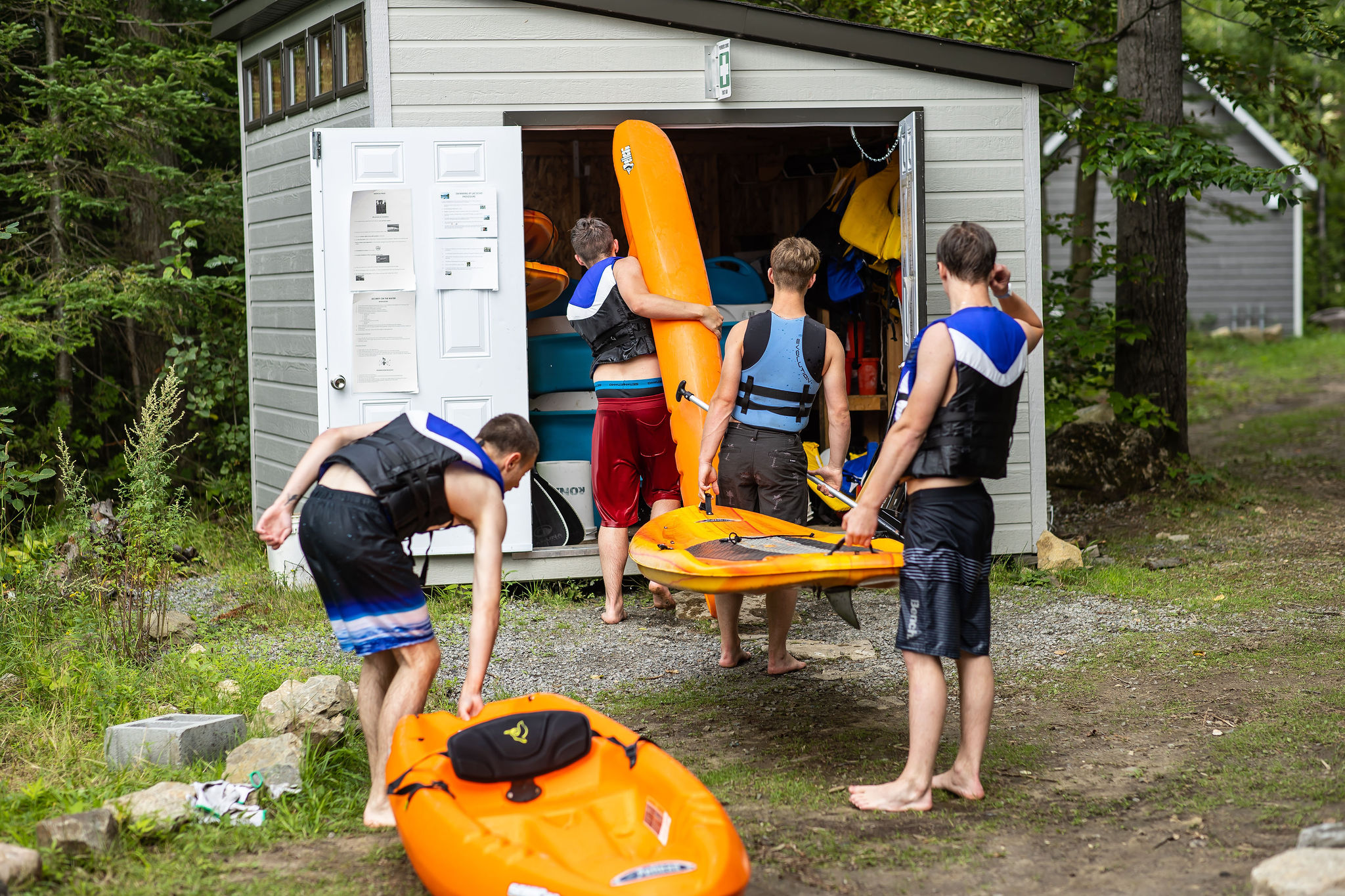
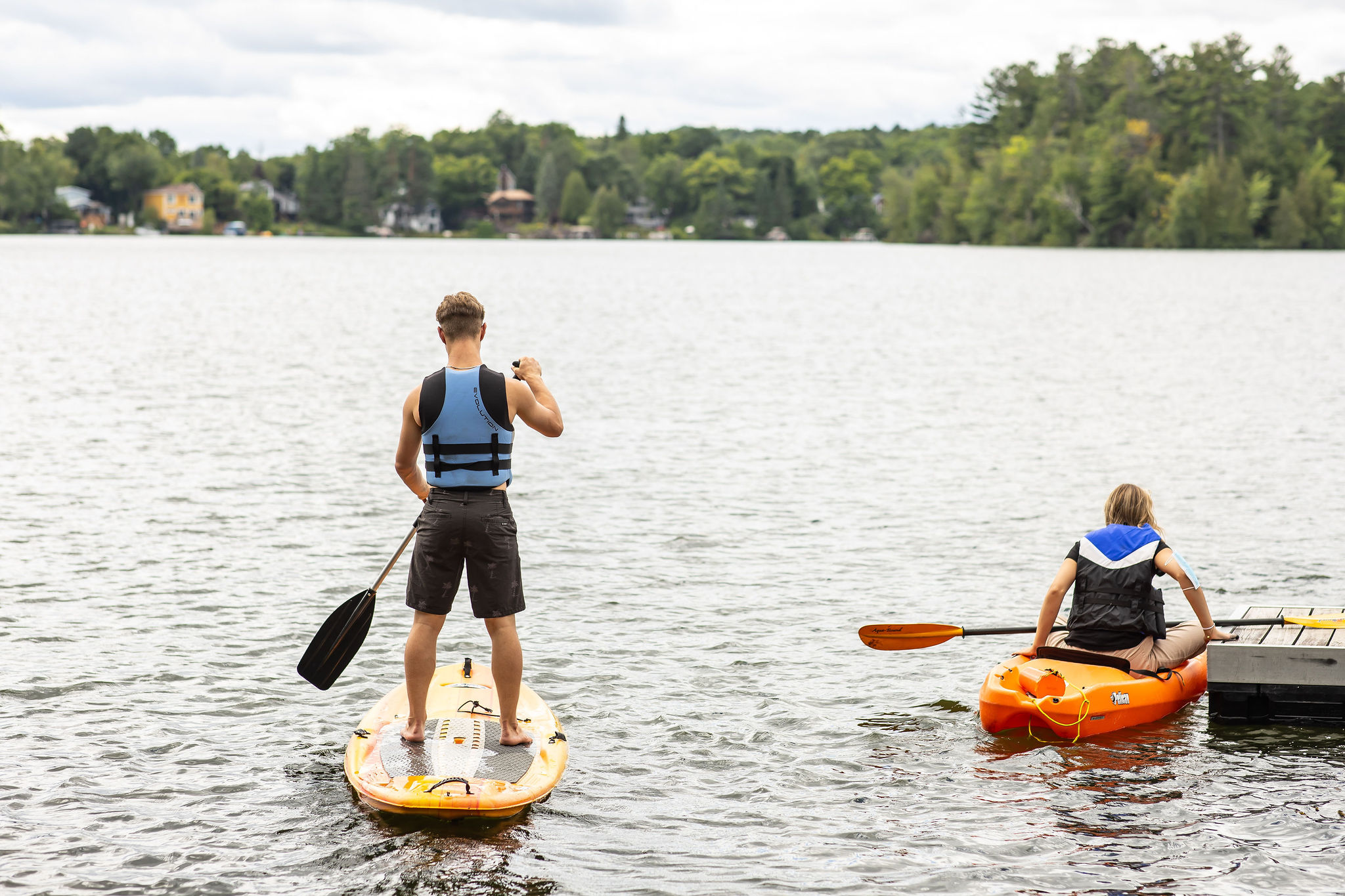
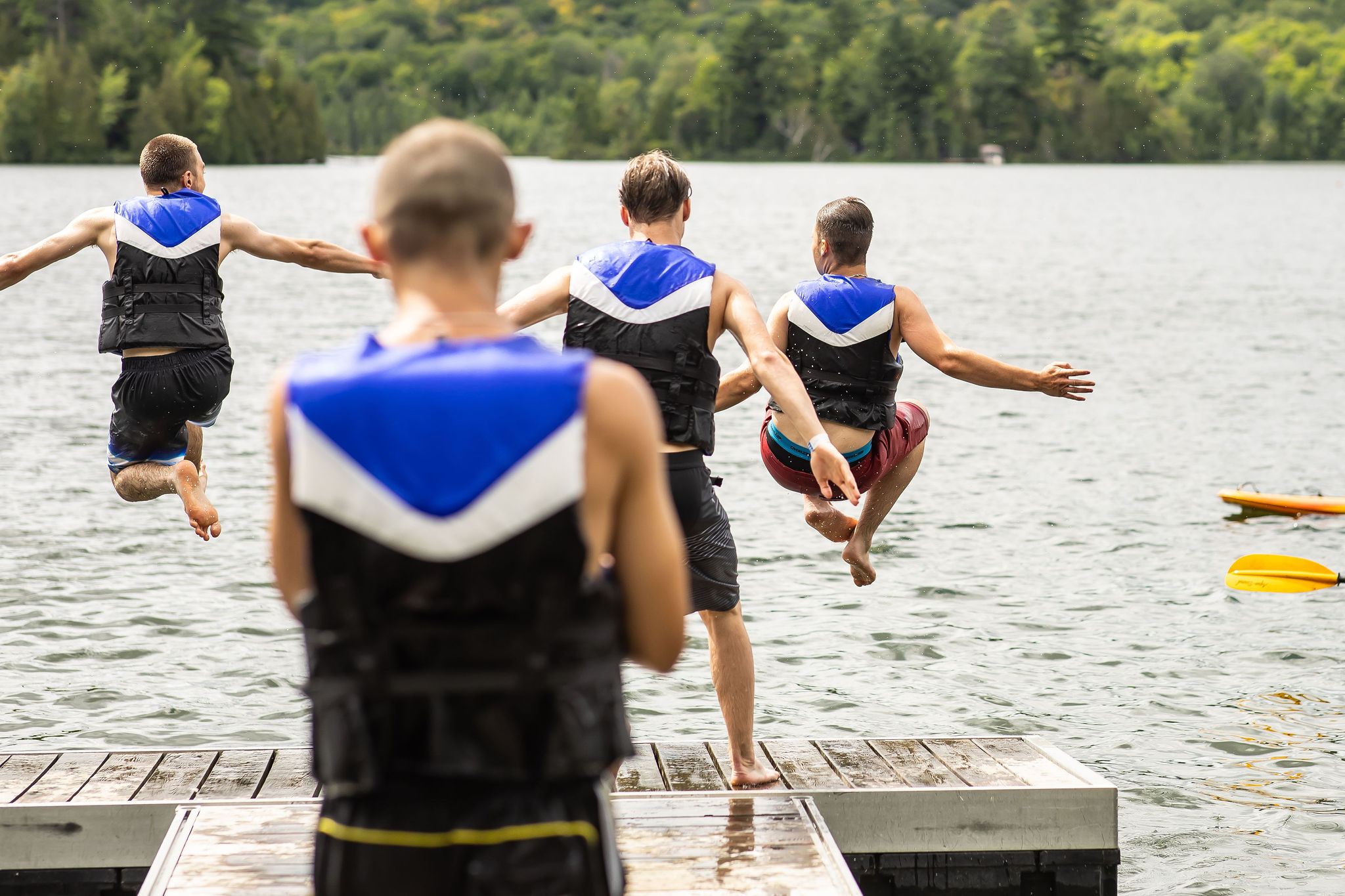
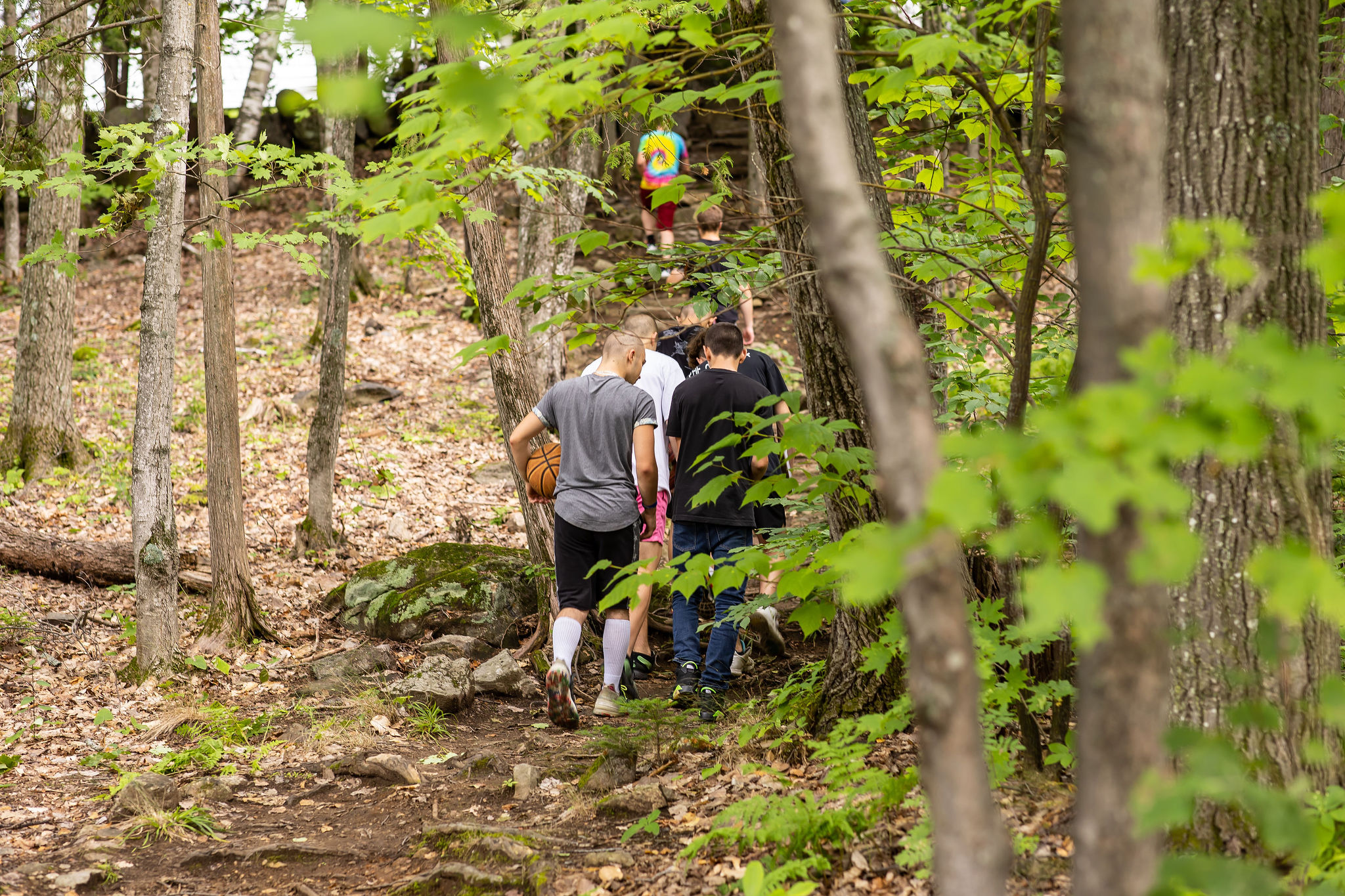
- Great outdoors: canoeing, swimming, kayaking, hiking, etc.
- Yoga, martial arts, dancing, rock-climbing, cycling, etc.
- Community outings: museums, camping, orchards, community events, etc.
One thing I love about Portage is the activities. Activities we wouldn’t be doing while using, activities we didn’t even know existed.
Eugenia, Youth program
TEAM SPORTS
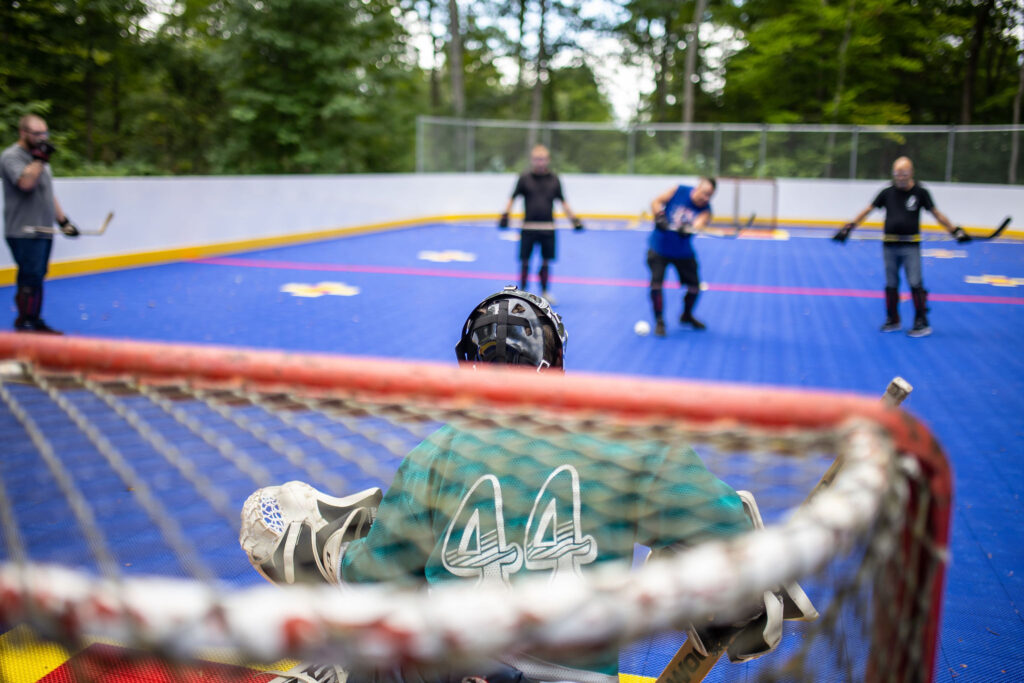
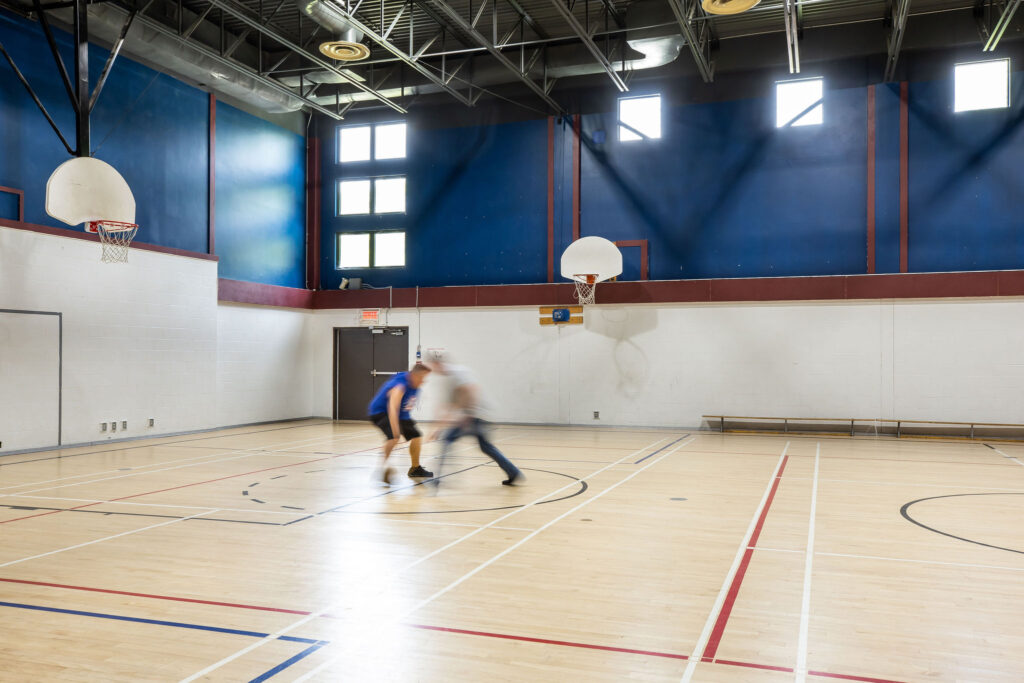
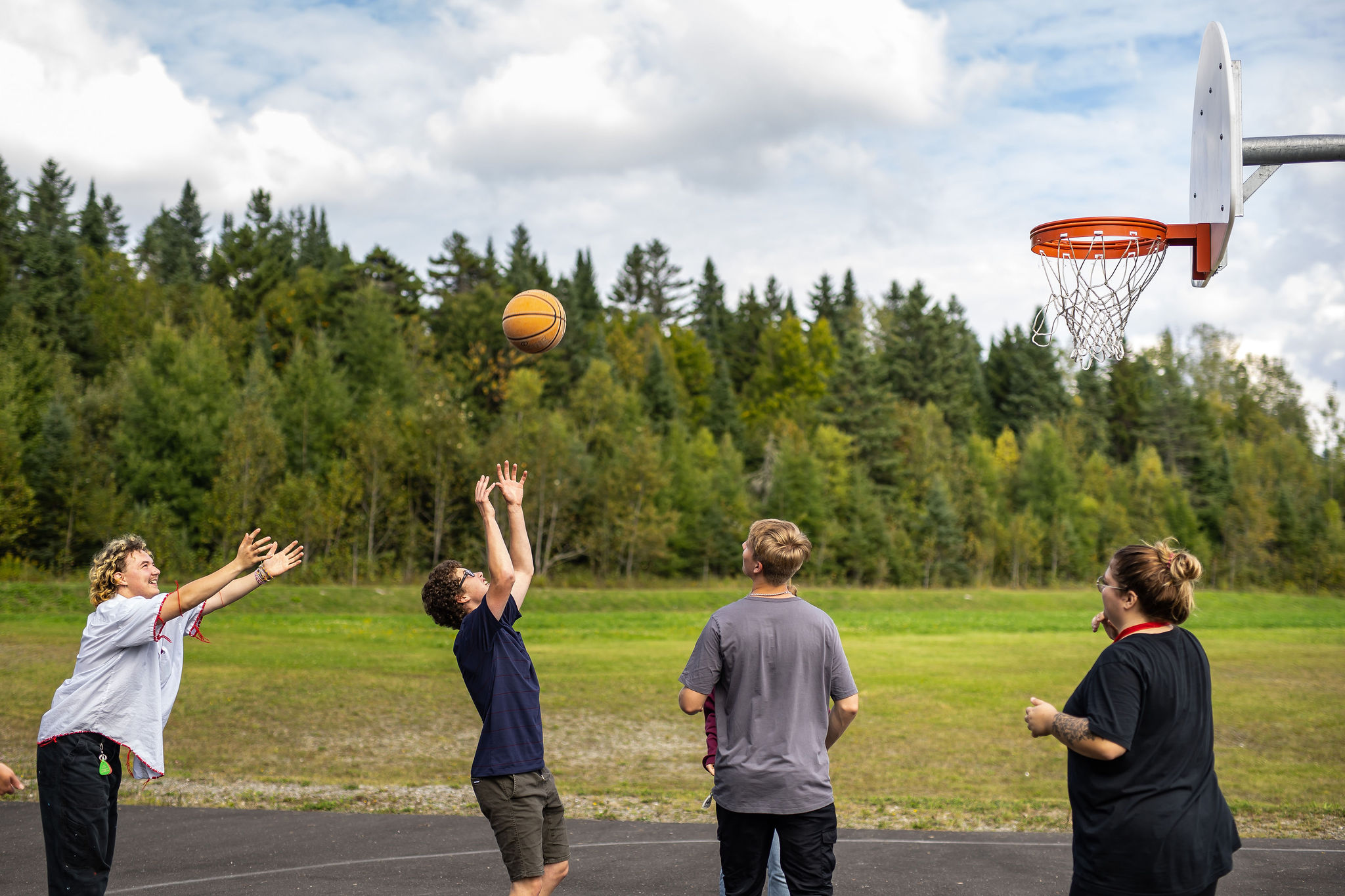
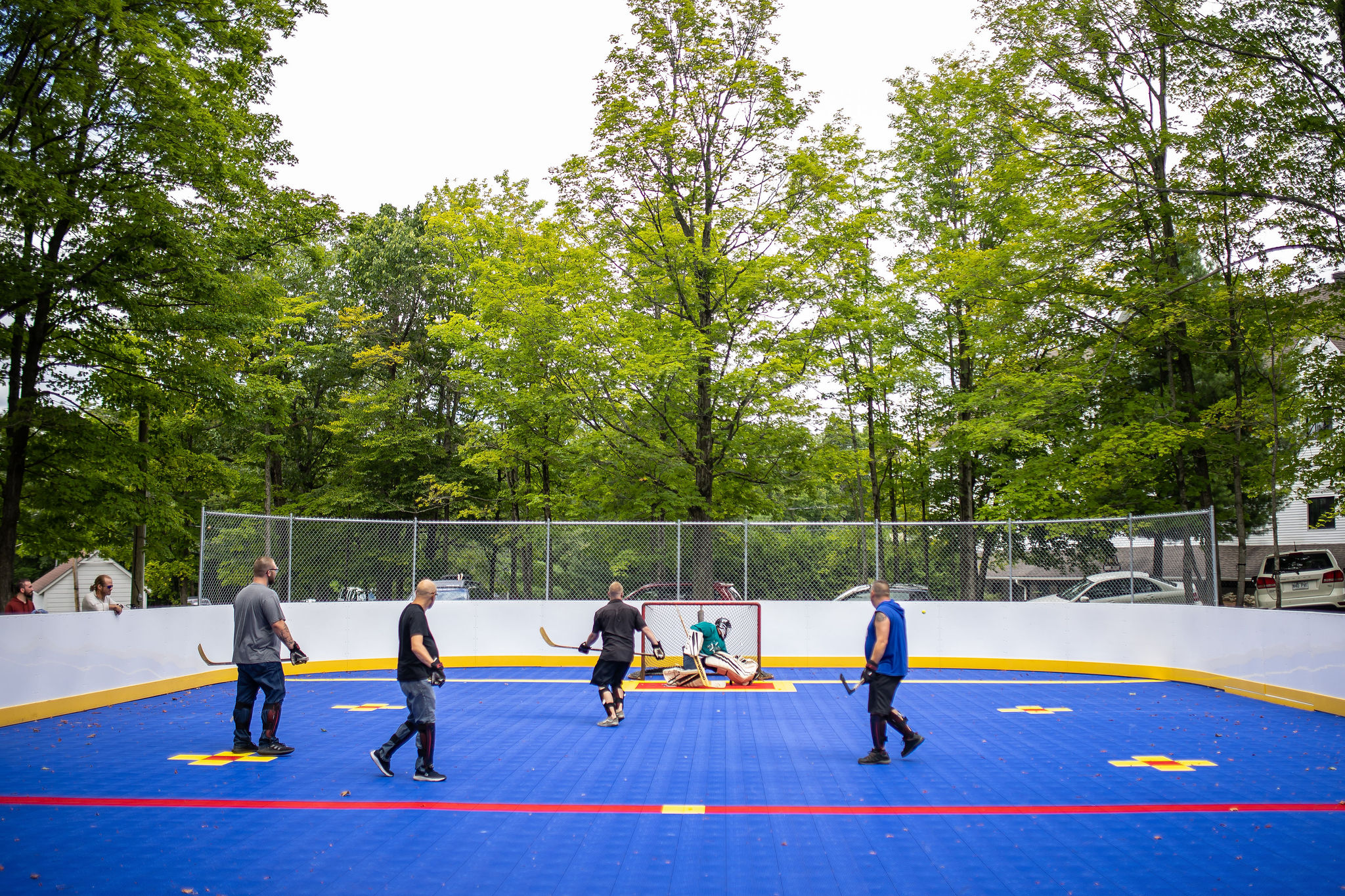
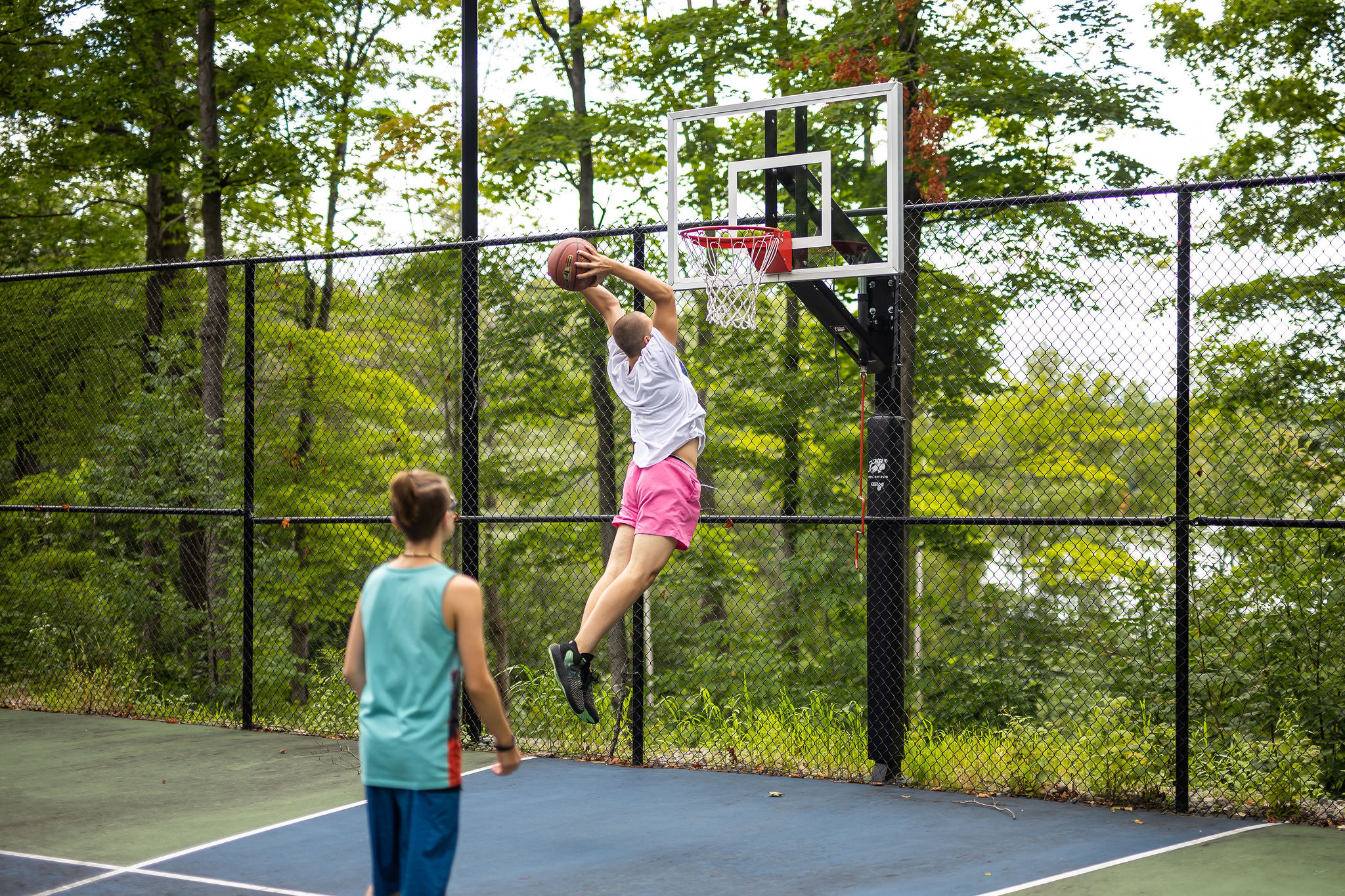
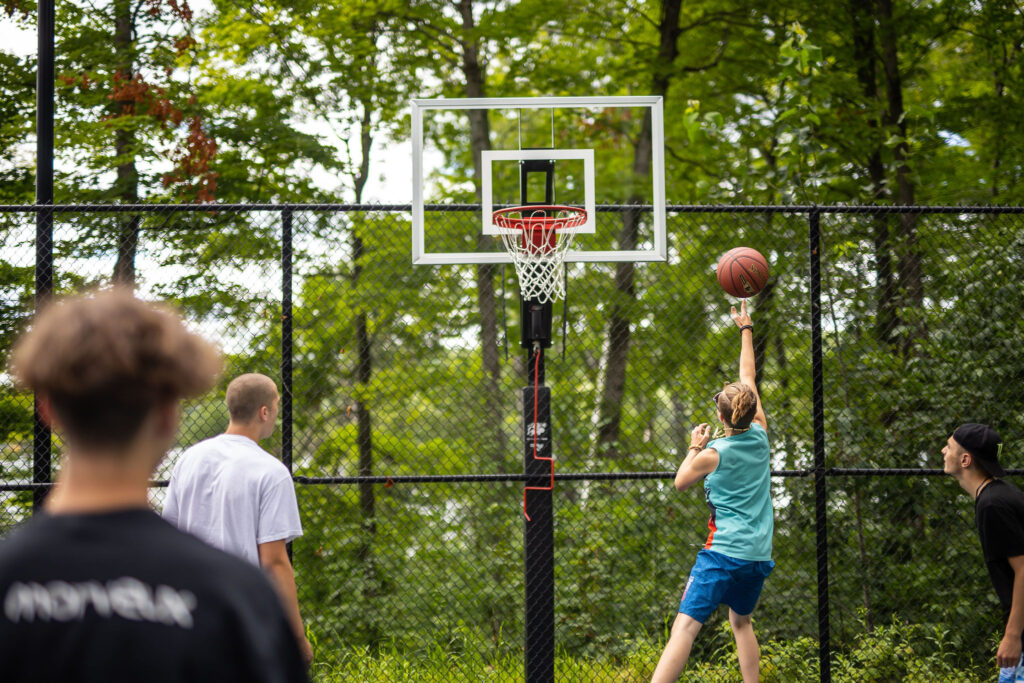
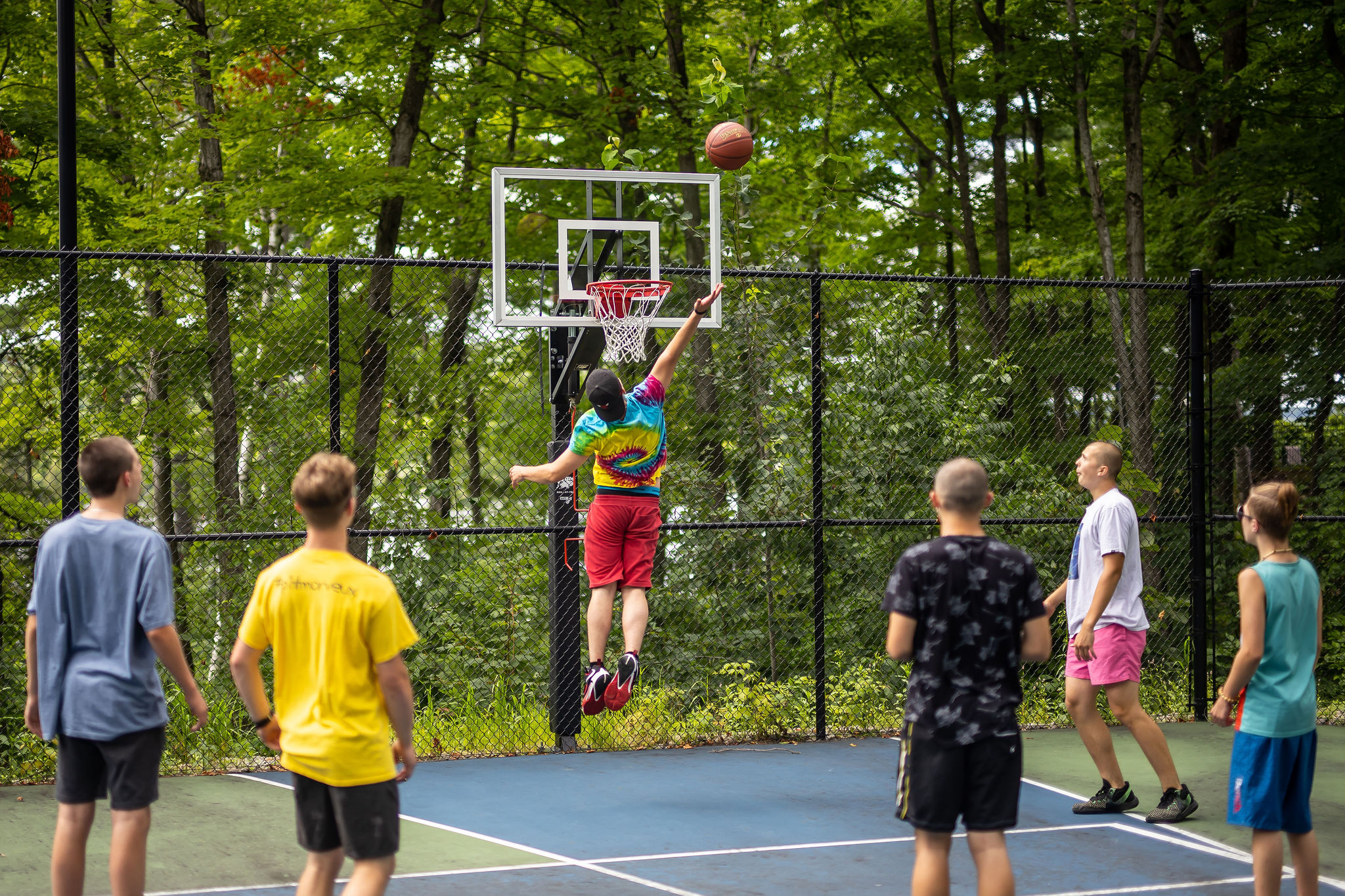
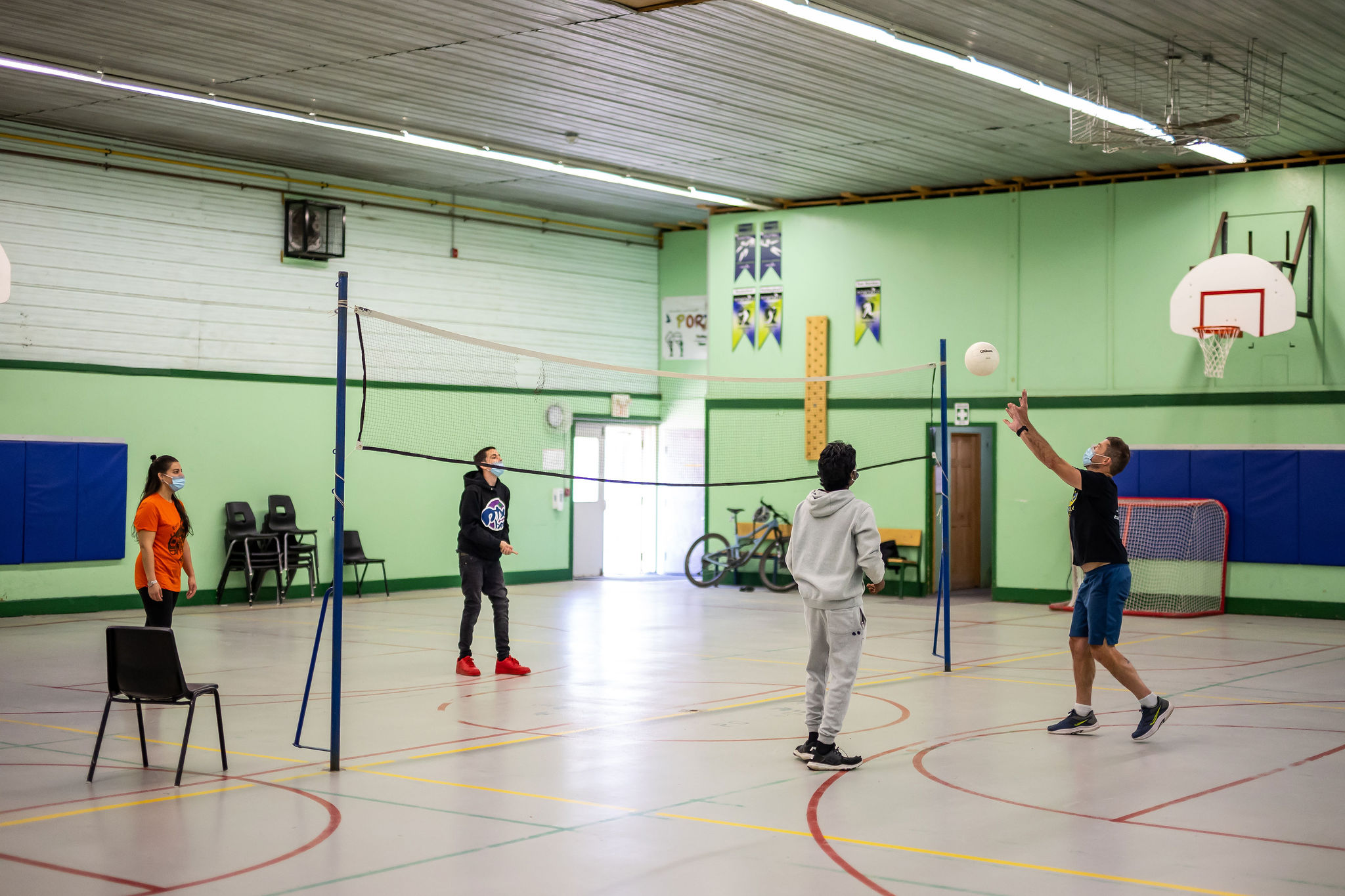
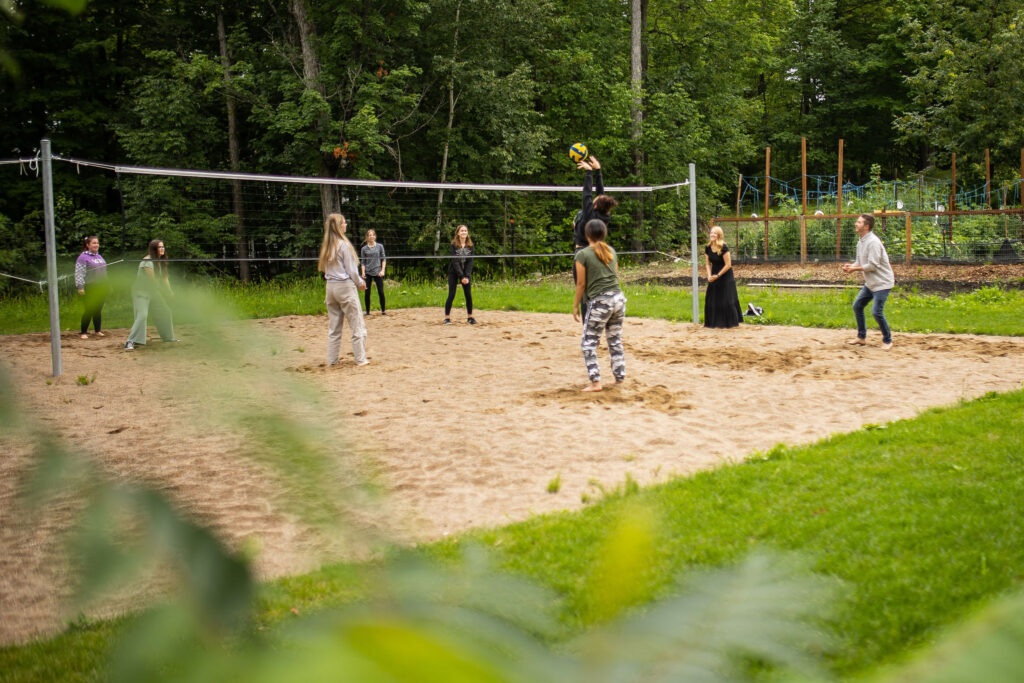
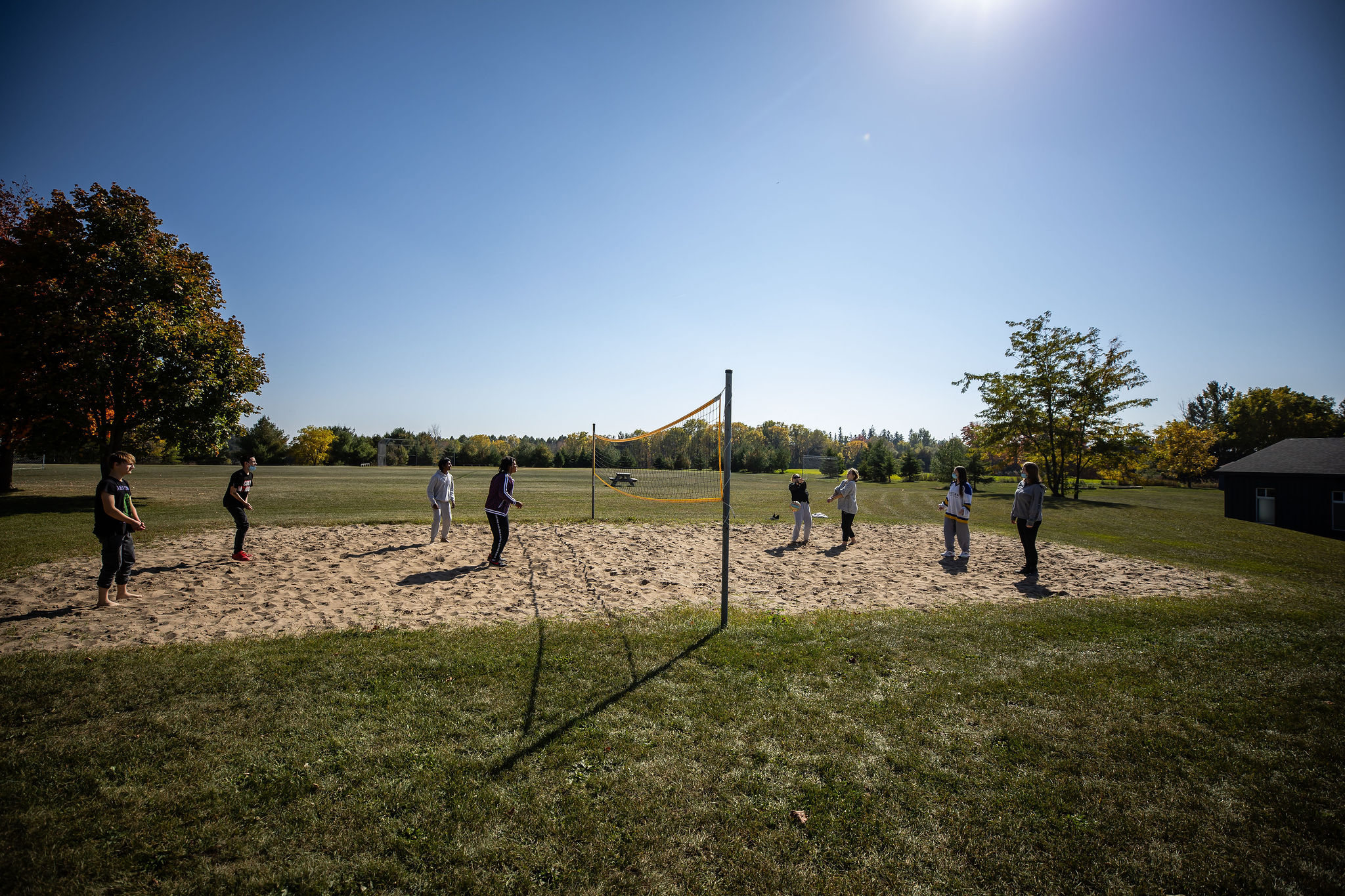
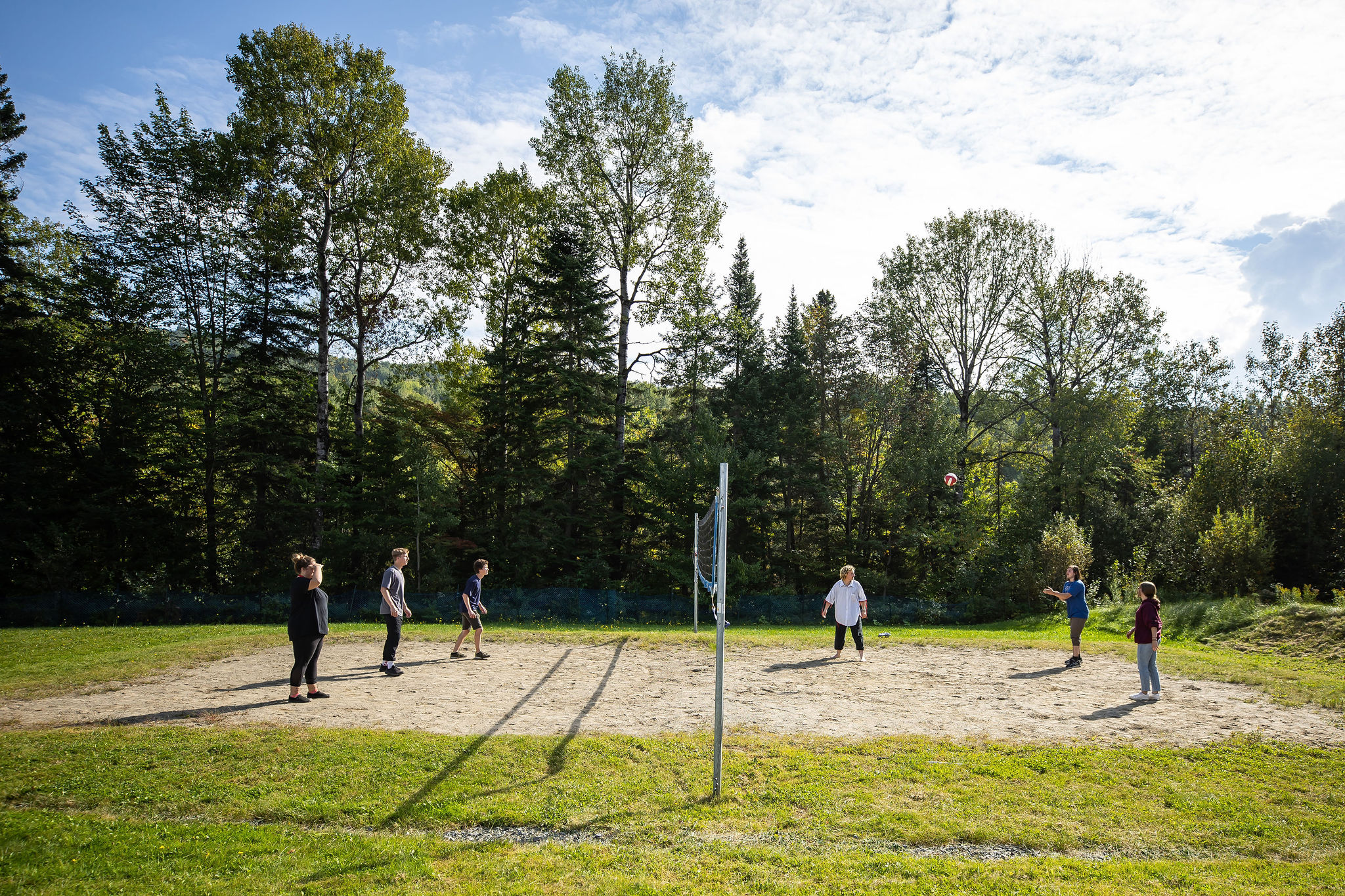
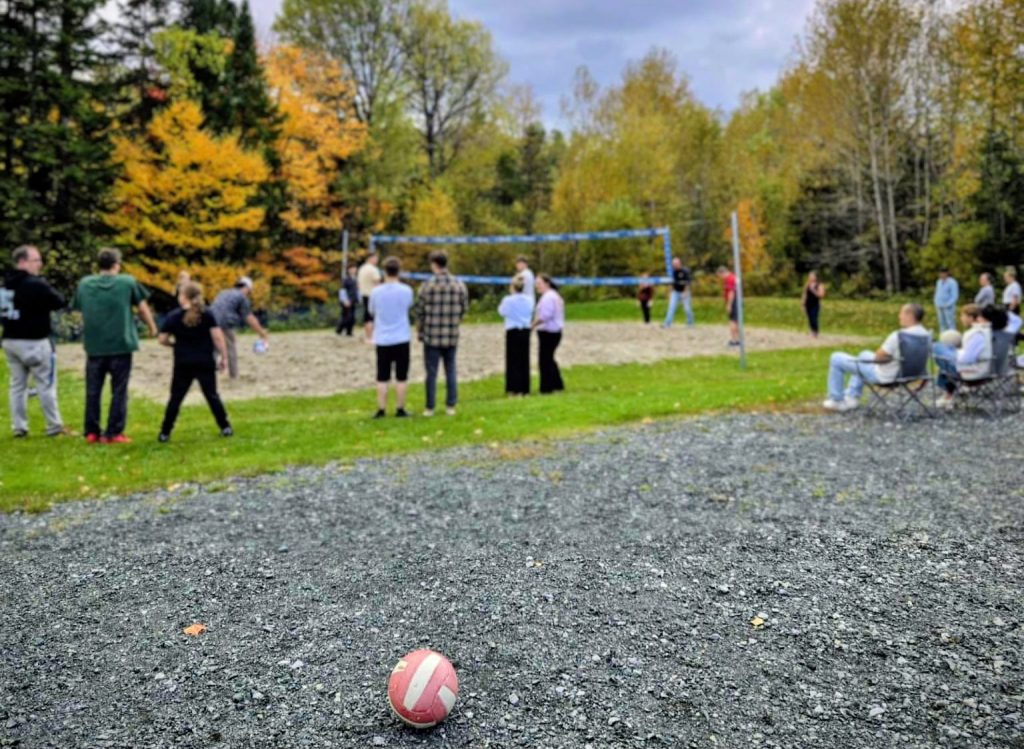
All our programs encourage residents to play team sports every day with their therapeutic community members. Most of our centres are equipped with many specific fields: volleyball, basketball, soccer, hockey, etc.
Within a therapeutic community, team sports help strengthen social reintegration, secure a sense of belonging, and learn new values. They help improve communication within a group and build strong relationships.
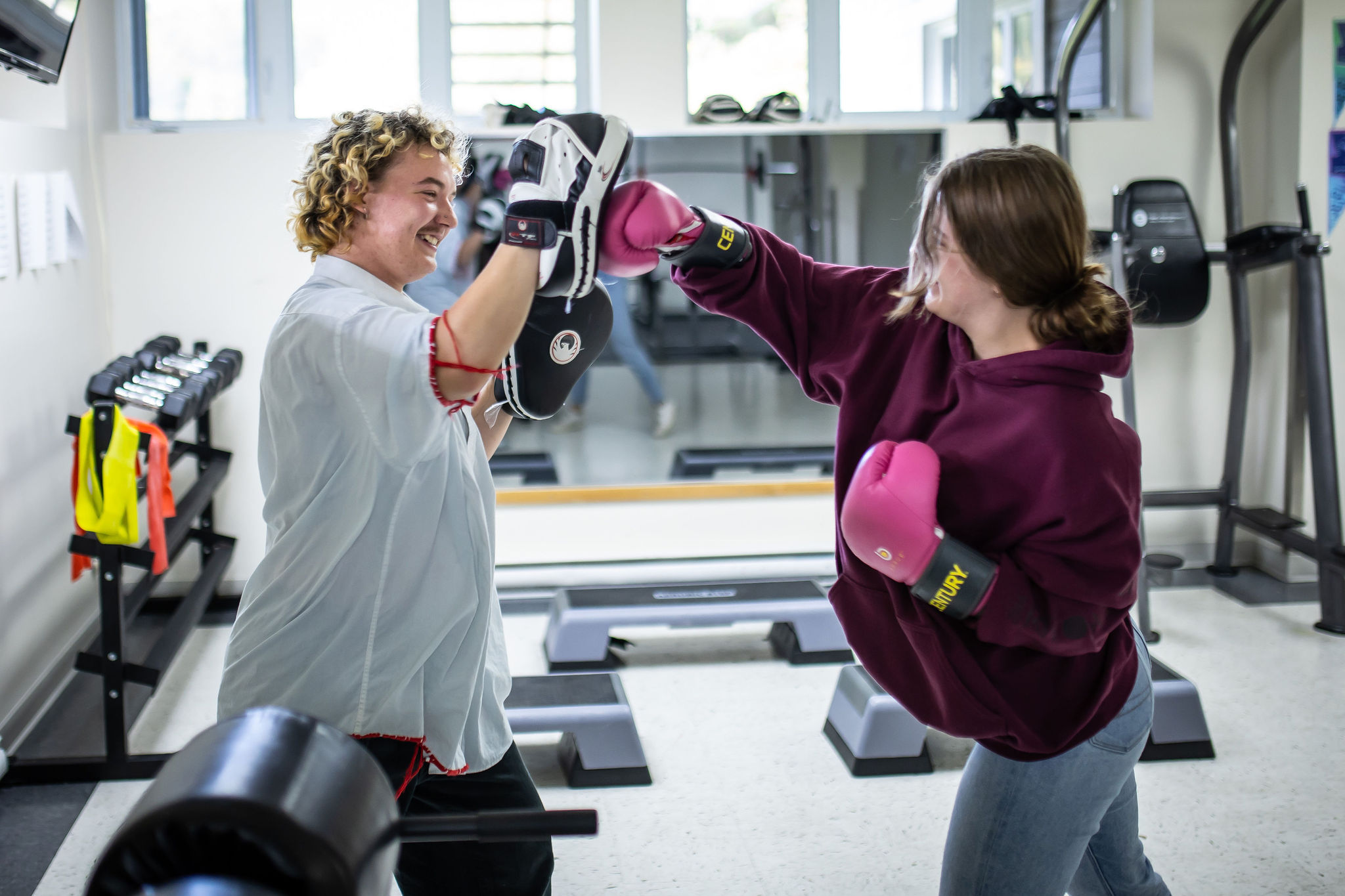
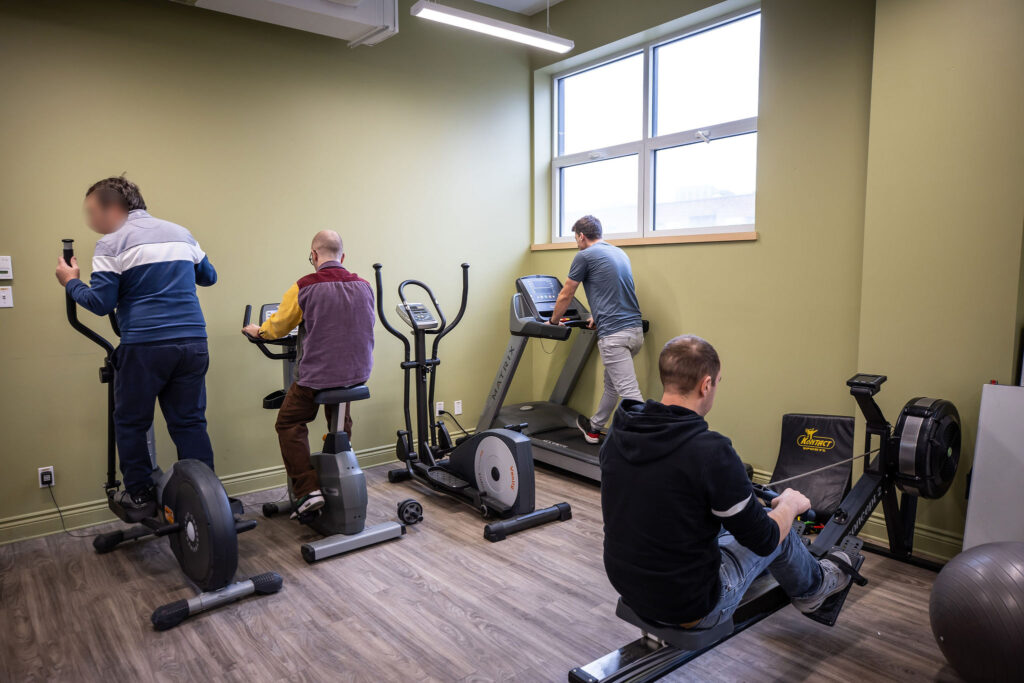
Aside from practicing outdoor sports that are highly beneficial to the residents’ well-being, a new, larger fitness room was created, making it possible to engage in physical activities with trainer supervision.
The relaxed state that ensues after practicing intense physical activities is due to the production of endorphins, the pleasure hormones produced in the brain. Implementing a structured sports program is an excellent way to counter psychological distress and social anxiety in young people.






MUSIC LESSONS
Music is part of daily life for Portage residents.
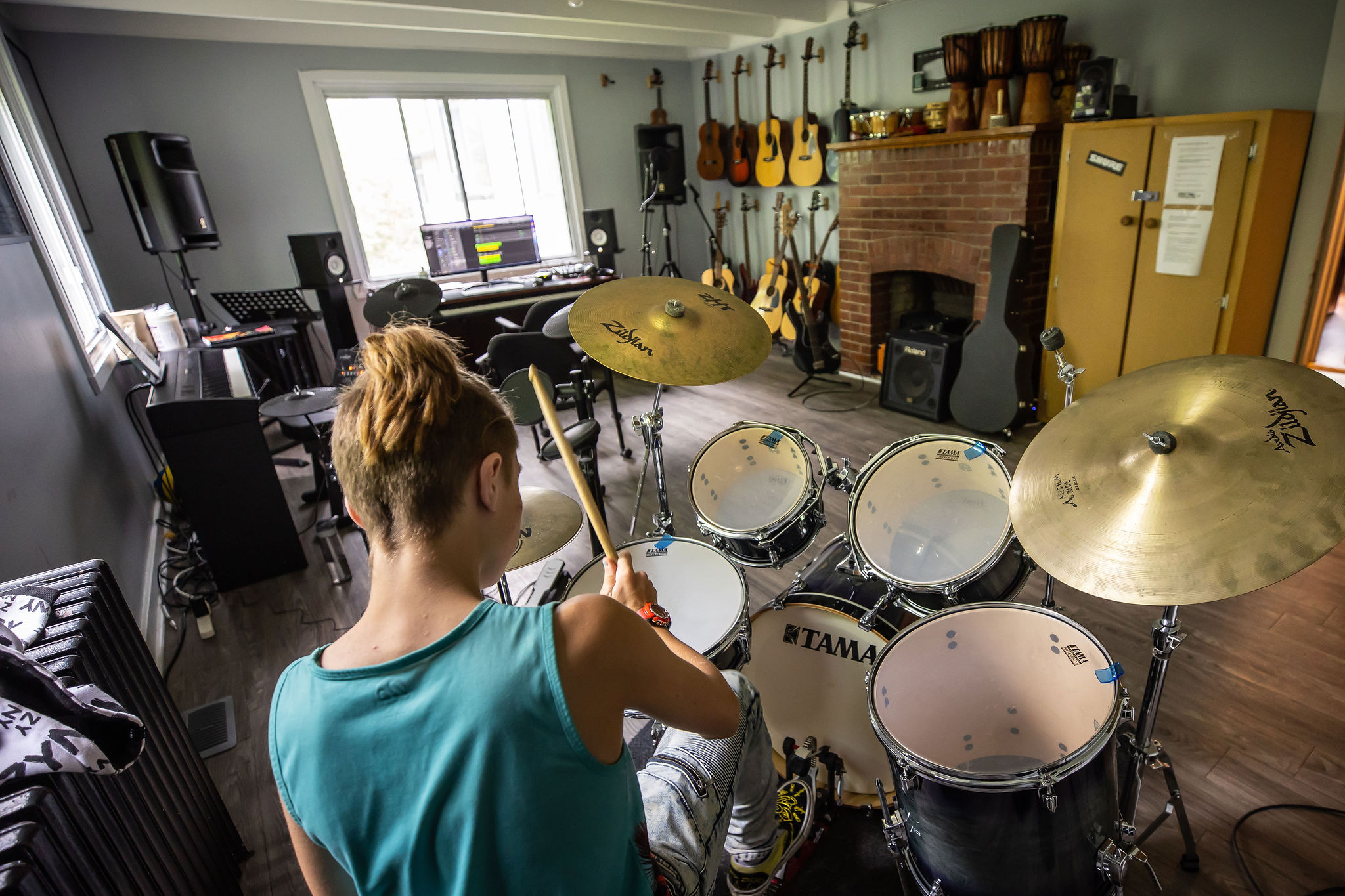
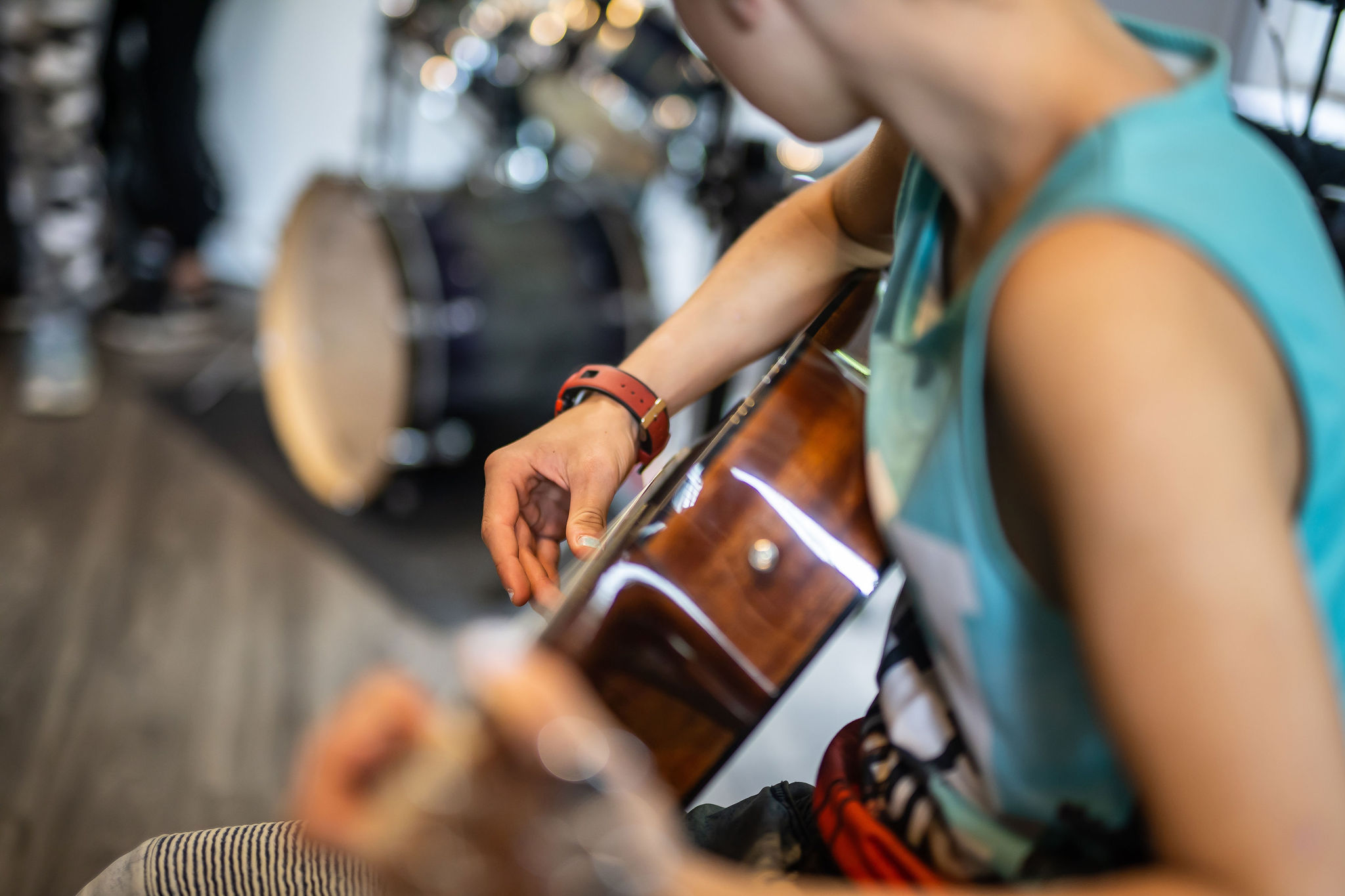
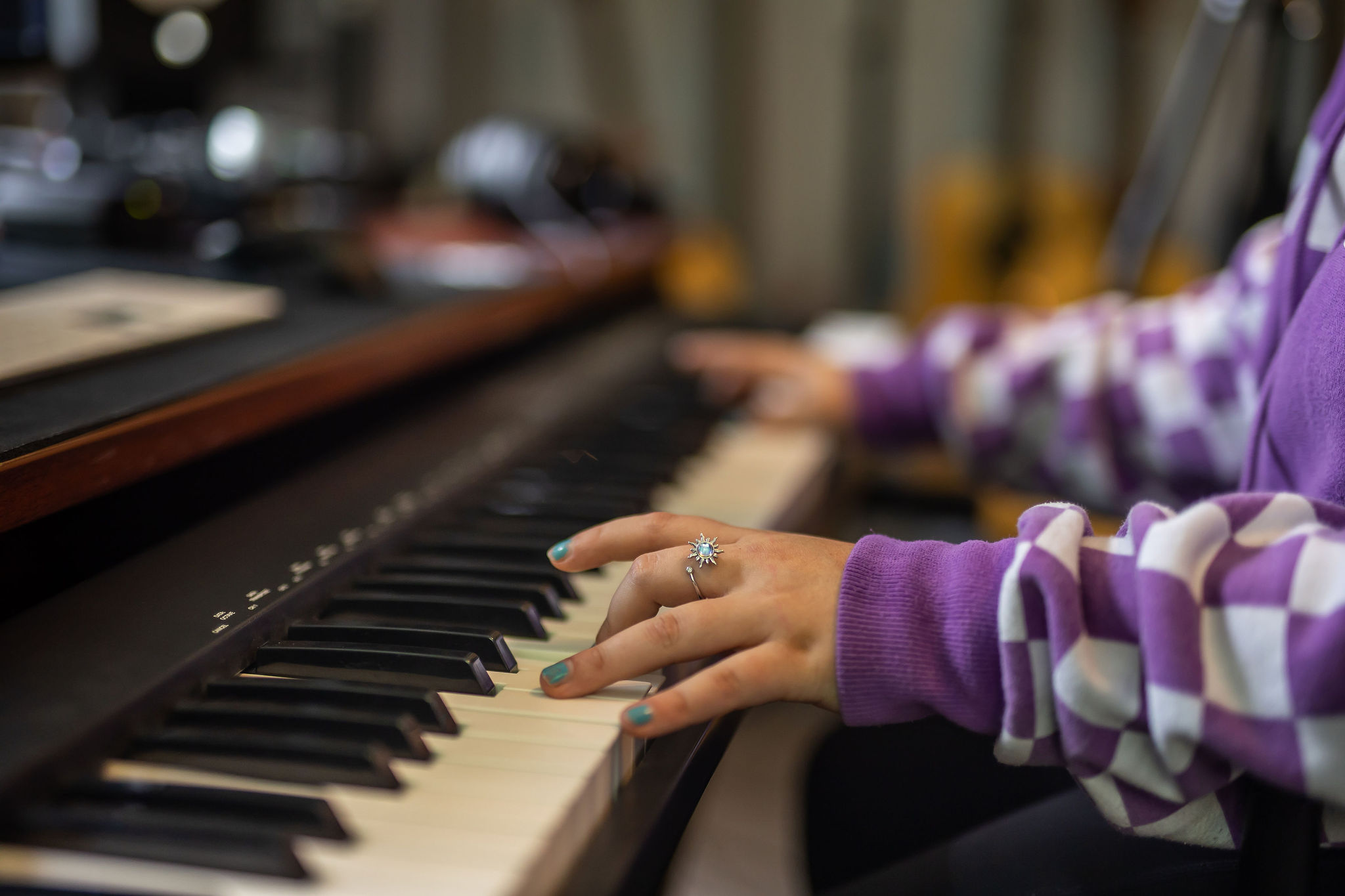
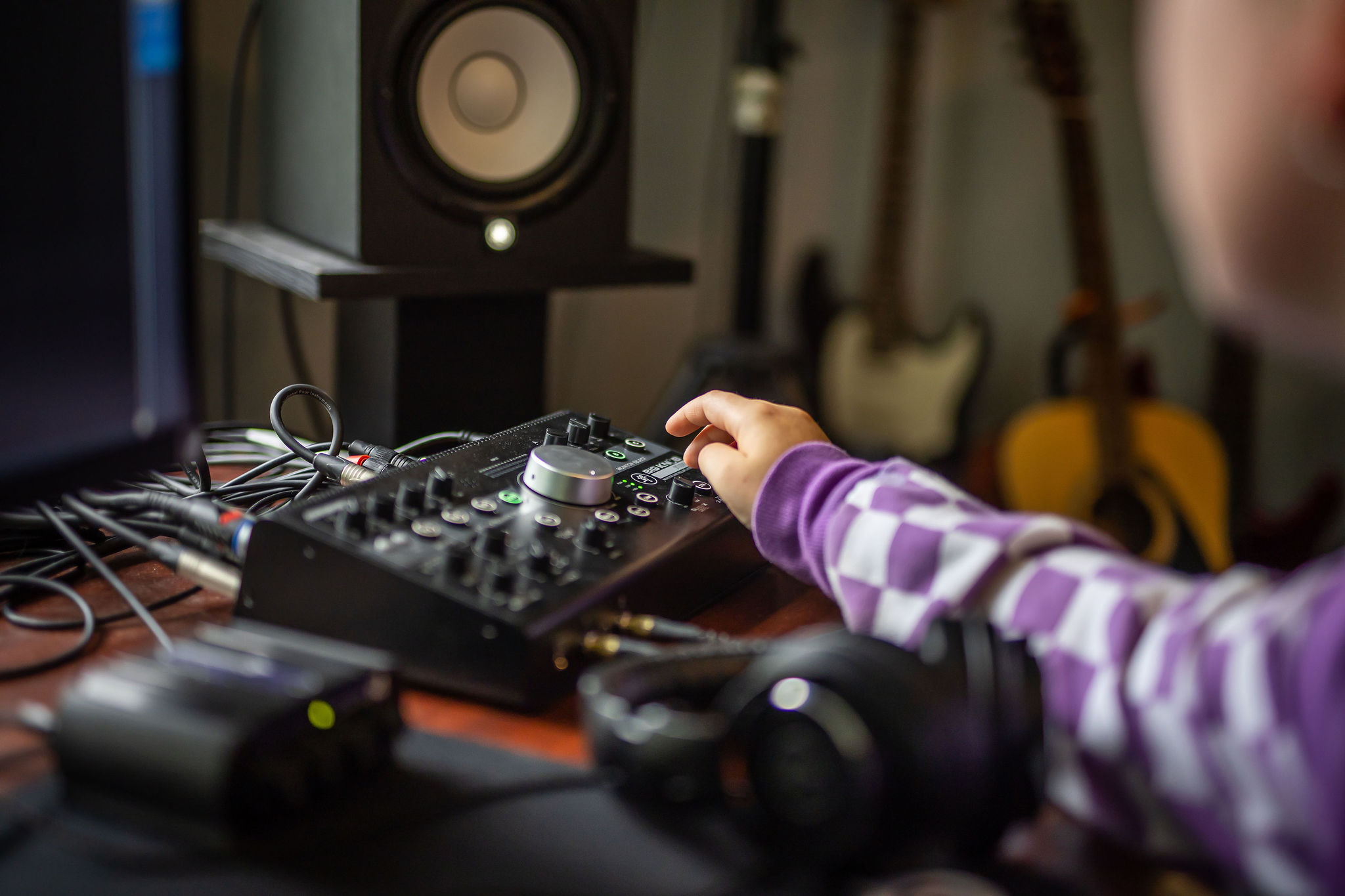
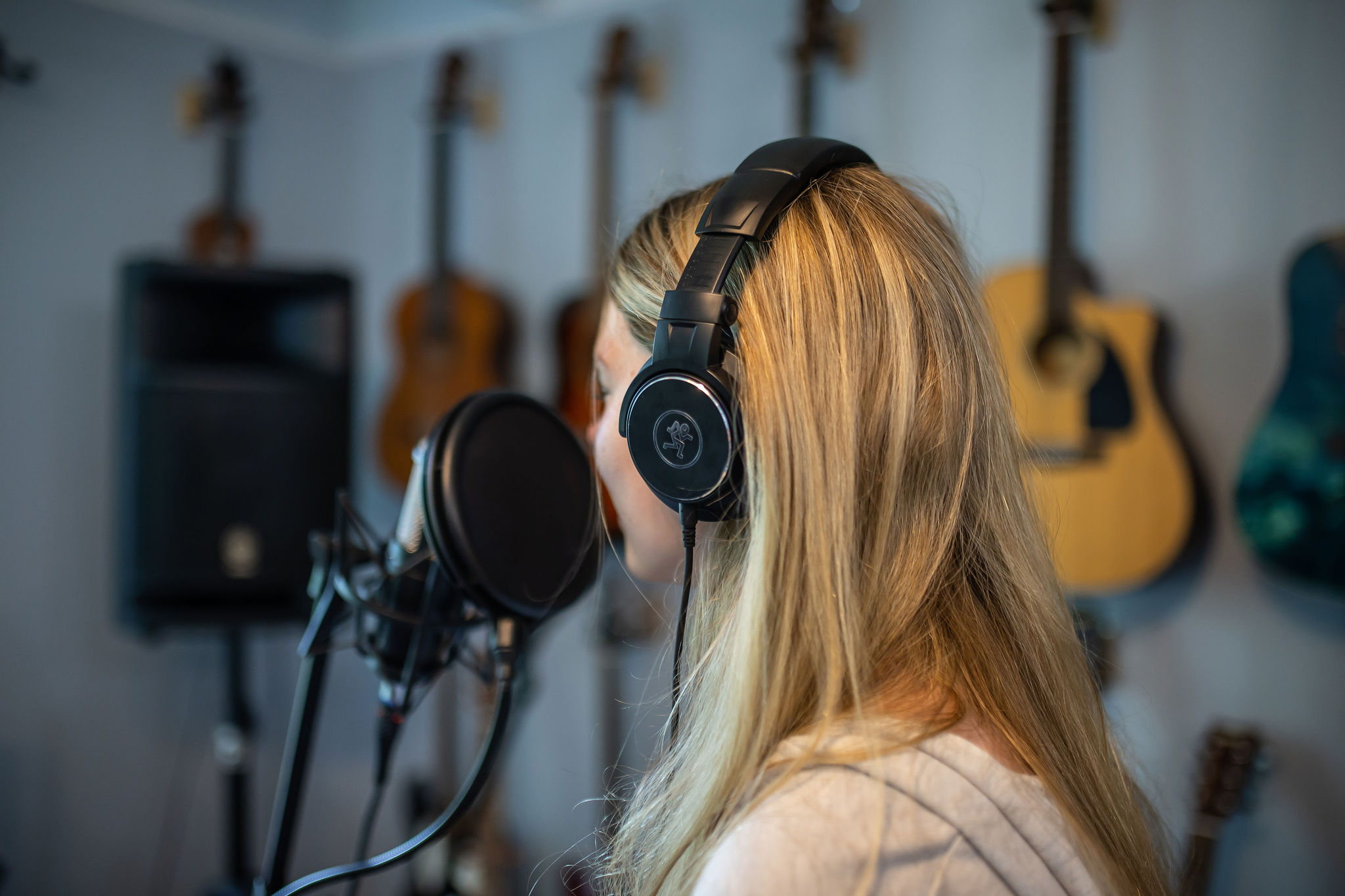
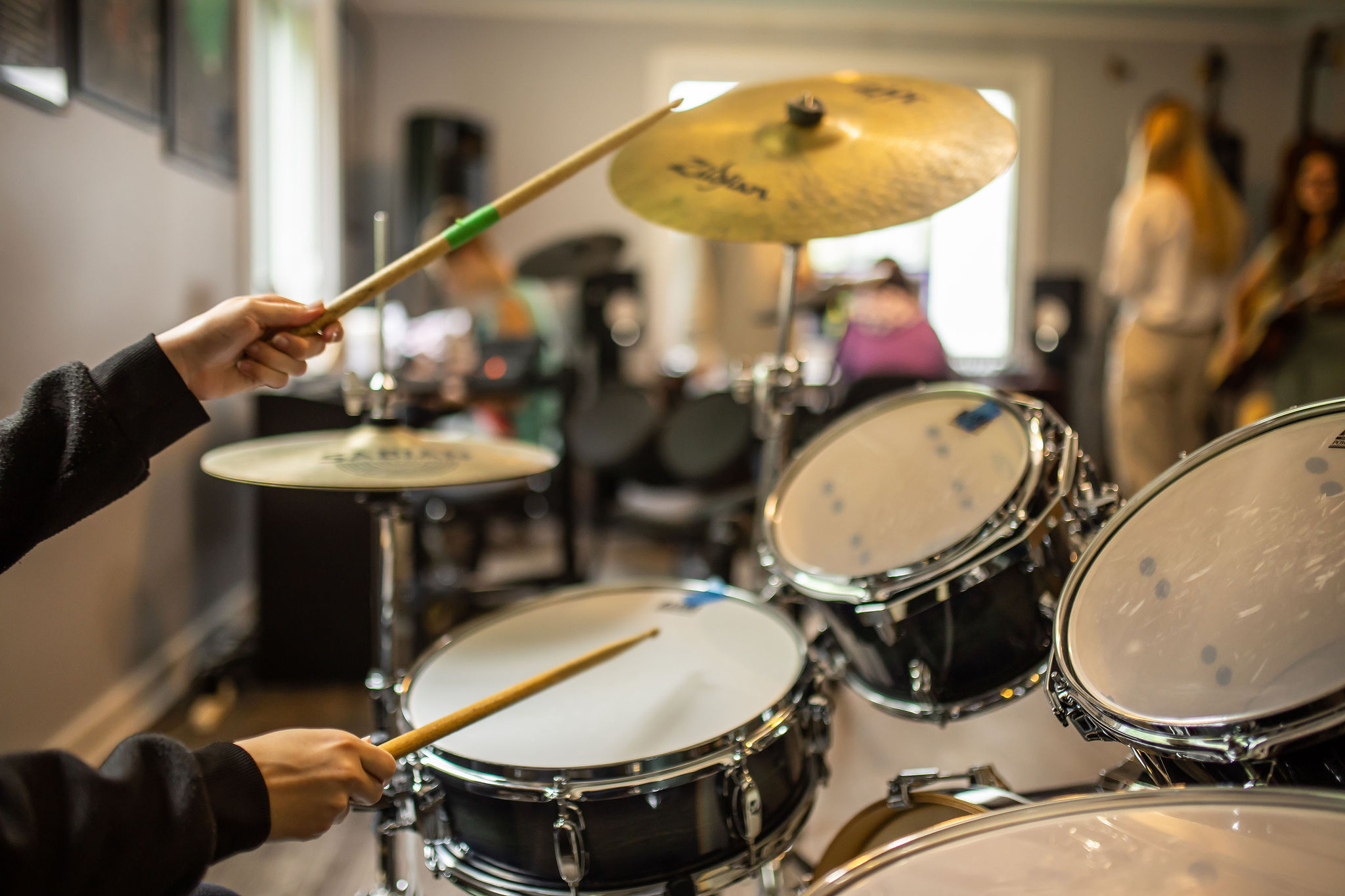
In nearly all our programs—youth (Lac Écho, Saint‑Malachie, Atlantic), as well as adult and mental health programs—residents have access to music rooms or instruments that allow them to play, learn, or simply express themselves freely. These spaces are designed to offer moments of creativity, relaxation, and self‑connection, while supporting the rehabilitation process.
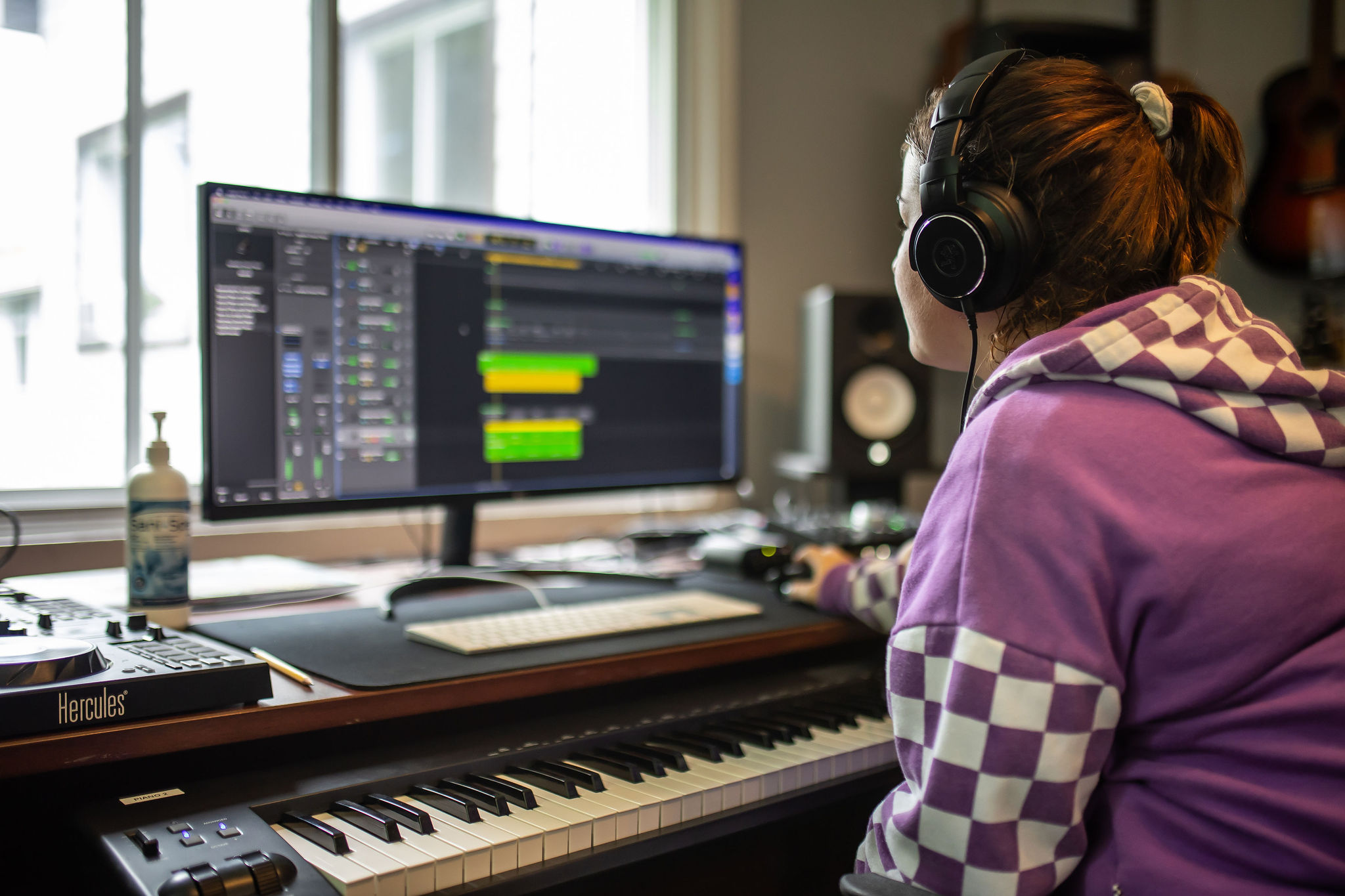
Our youth centre at Lac Écho features a fully equipped music room. Thanks to donations from the Simple Plan Foundation, Portage has been able to furnish the space with a wide variety of instruments (guitars, drums, piano, stereo system, djembes, etc.), as well as a computer and recording equipment available to all youth. Each week, a teacher offers music lessons tailored to the interests and pace of every adolescent. This allows young people to develop their artistic and musical skills, explore new instruments, and thrive in an environment that values creativity.
Music as a Therapeutic Tool
Active music therapy plays an essential role in the rehabilitation process. It supports self‑expression and allows both youth and adults to:
- release buried emotions;
- stimulate attention and memory;
- develop coordination and fine motor skills;
- strengthen self‑esteem;
- share a common passion in a safe and caring environment.
Playing an instrument during free time is often a significant source of comfort and a meaningful way to benefit from the therapeutic power of music.
A Meaningful Creative Project
As part of their music classes, the adolescents in the Lac Écho program composed and recorded the song Something New, illustrating the positive impact of therapy on their personal journey. A video accompanying the song was presented at the Social Impact Film & Art Festival (SIFA).
This achievement helped showcase Portage’s mission and became a great source of pride for the young artists who took part in the project.
Portage extends its heartfelt thanks to the Simple Plan Foundation for its indispensable support. Members of the band also shared a message of encouragement with the youth during the SIFA Festival, emphasizing the significance of their artistic and personal efforts.
“Playing an instrument brings me back to calm when everything feels too fast.”
“Music helps me express what I can’t put into words.”
Community Garden
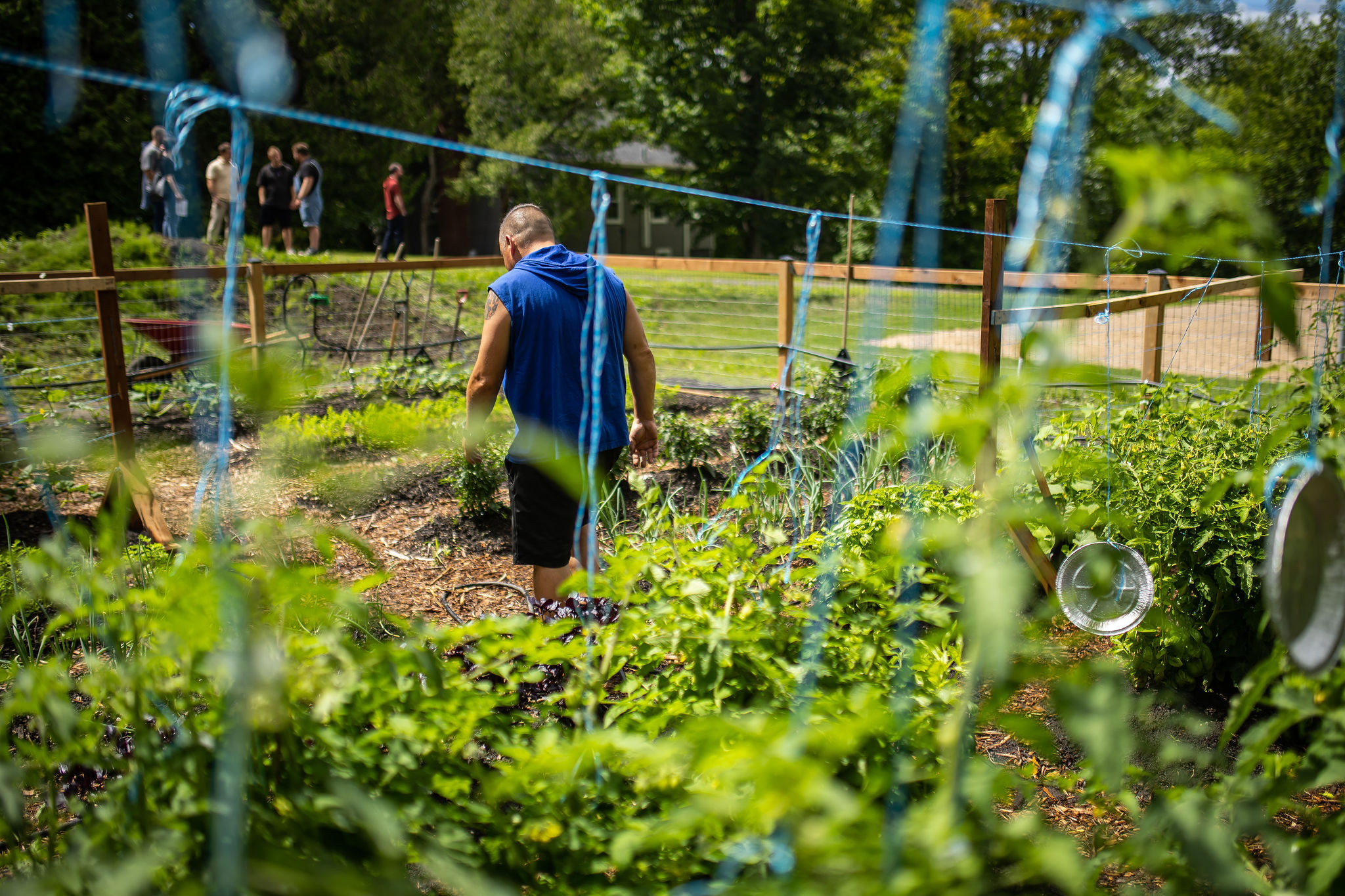
Created in 2019 at the initiative of a young resident concerned about ecology and healthy eating, the community garden has enjoyed steady success since its beginnings.
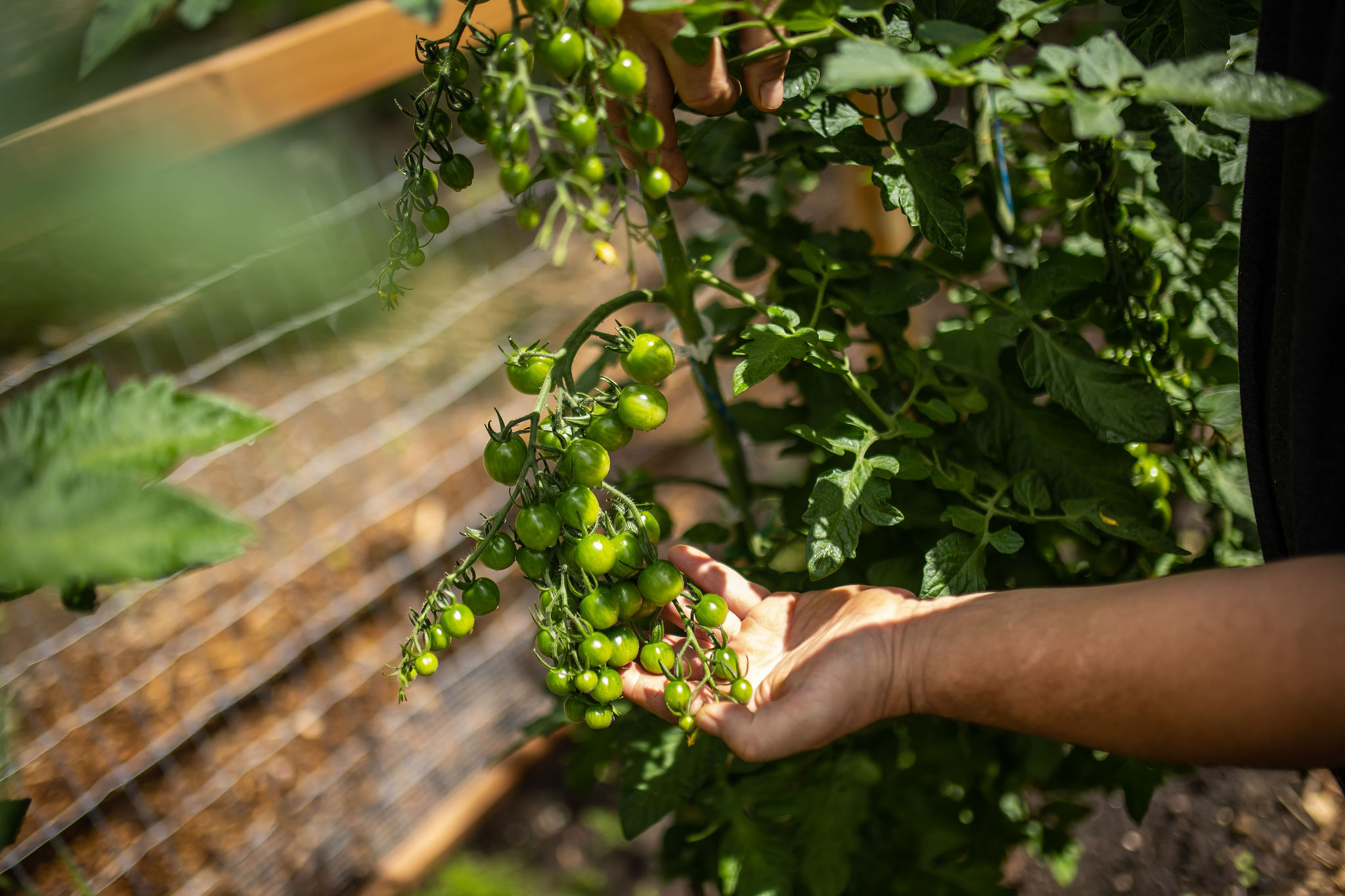
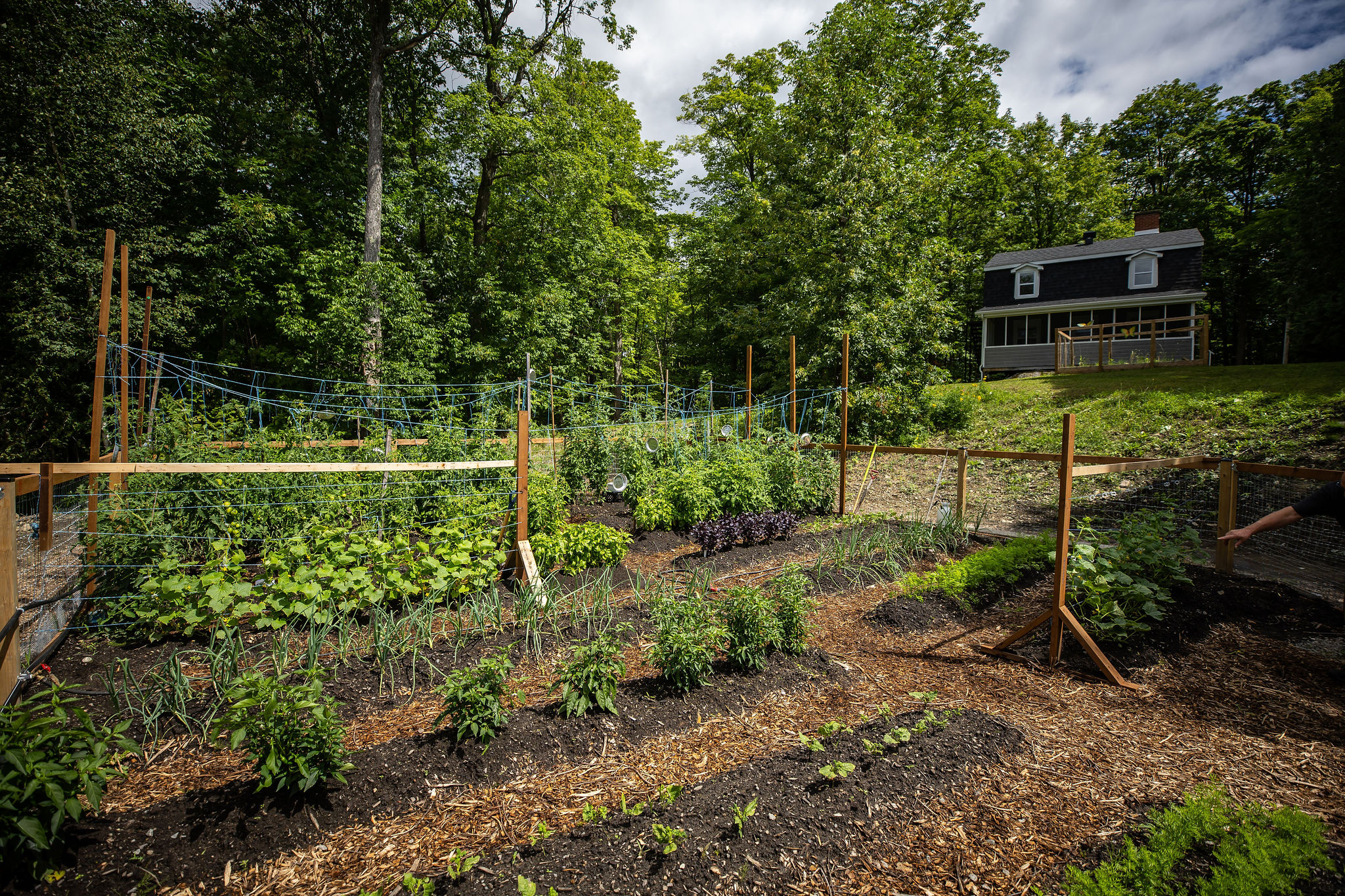
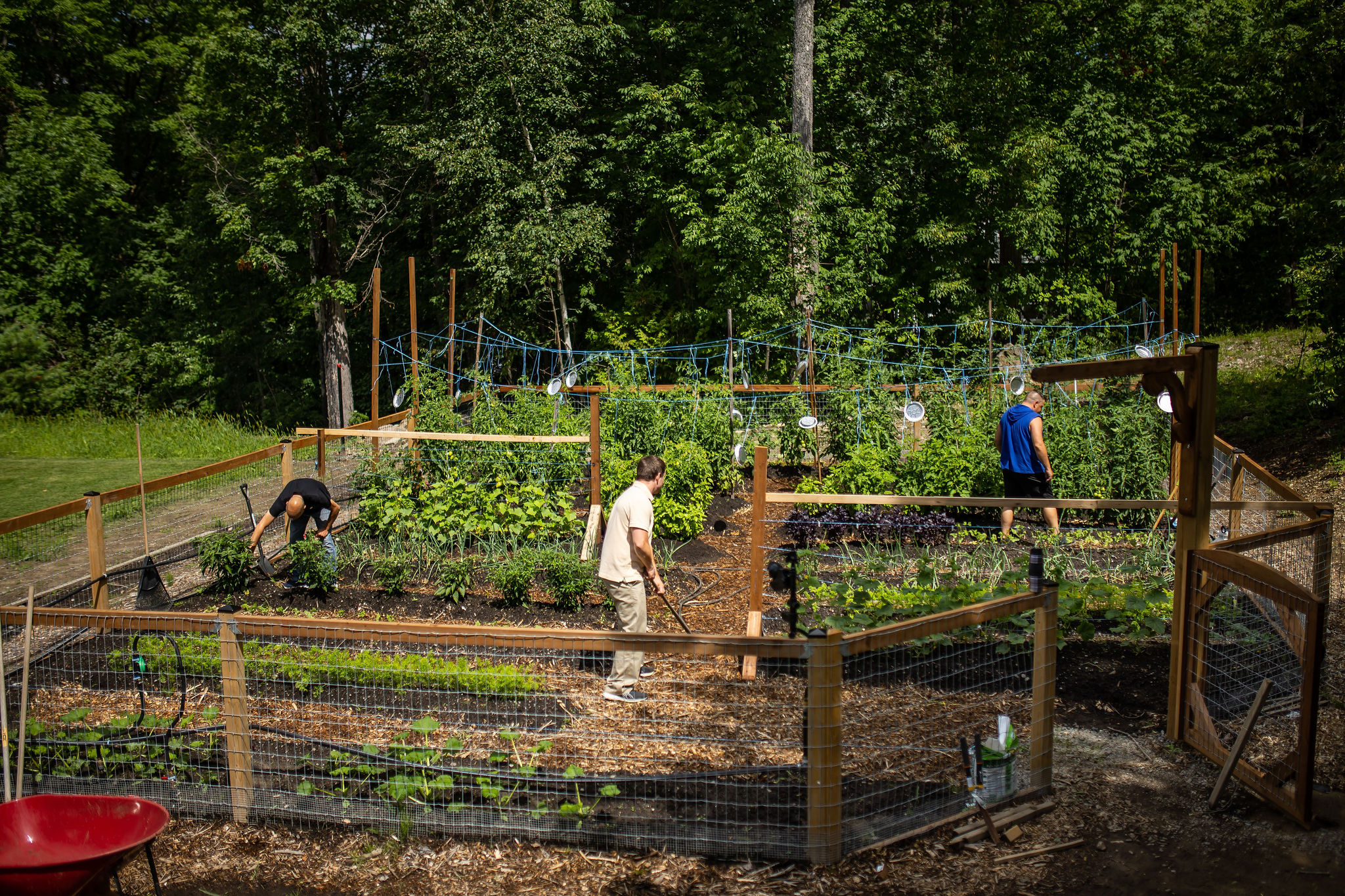
Building on the first year of gardening at Lac Écho, the garden was expanded to increase production. Residents take part in every stage: planting, watering, and harvesting the vegetables. Grown without pesticides, these organic vegetables are then prepared in the centres. The chef and his team collaborate on seed selection and healthy recipes, making this activity a truly collective project. It allows residents to develop a sense of responsibility while adopting healthy eating habits.
The garden runs throughout the year:
- Winter: research, planning, and indoor seed starting on heating mats.
- Spring: soil preparation and planting once the frost has passed.
- Summer: regular care of the vegetable garden.
- Fall: harvesting and enhancing the use of the vegetables grown.
This activity encourages residents to engage actively in their living environment during treatment and motivates them to continue this practice after their stay.
The community garden reflects Portage’s commitment to taking concrete steps toward a sustainable ecological transition. Promoting healthy lifestyle habits is an essential foundation on which residents can build a future free from substance use.


Your Communiry Gaarden at Cassidy Lake
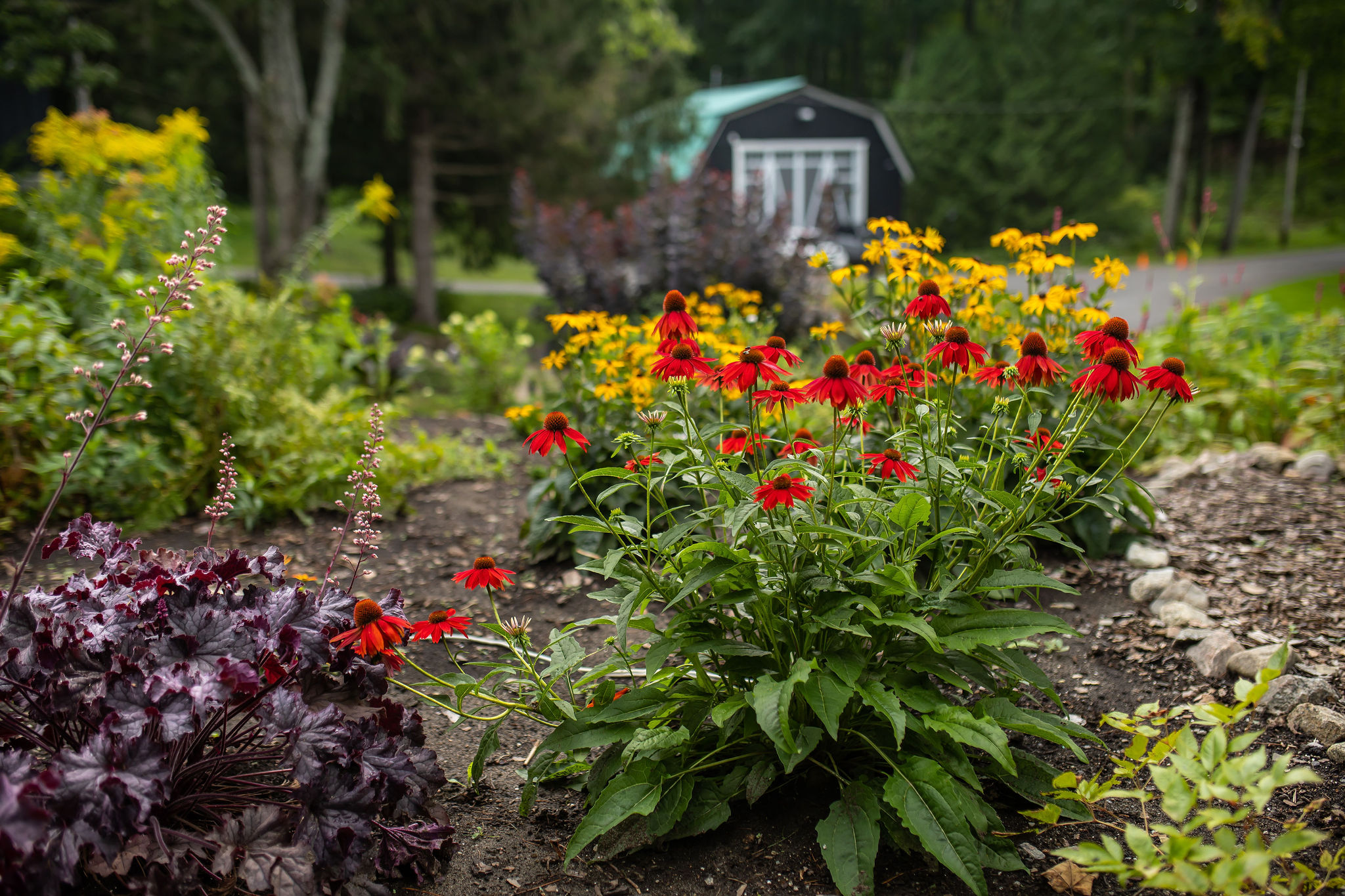
Portage Atlantic also developed Your Community Garden at Cassidy Lake, a project carried out in partnership with the District N1 Lions. This garden, located at the entrance of the residential centre, aims to create a space of peace and hope for youth, their families, and the community. Residents can take part in it throughout the different seasons, alongside dedicated volunteers and donors.
Artistic Expression
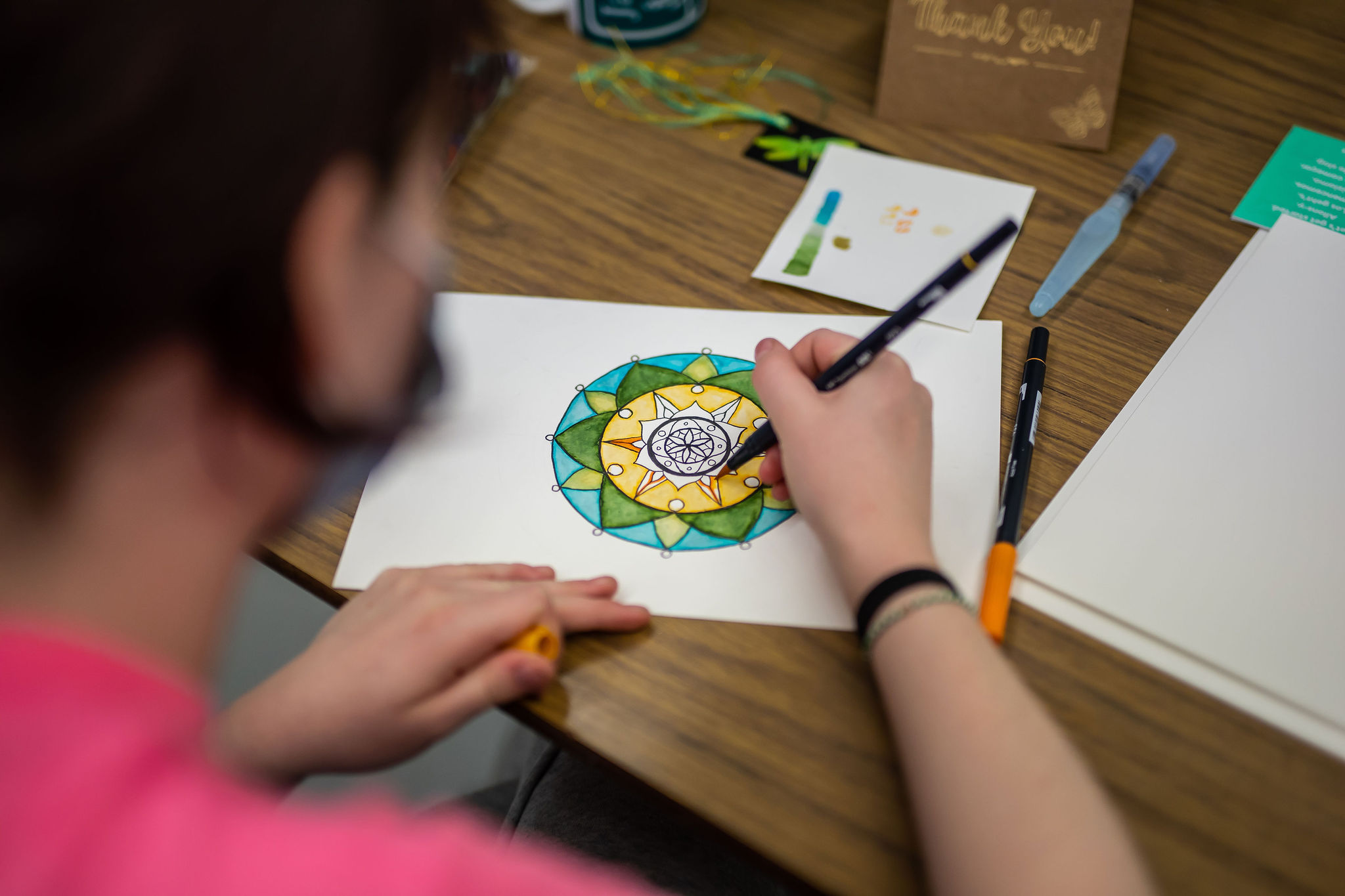
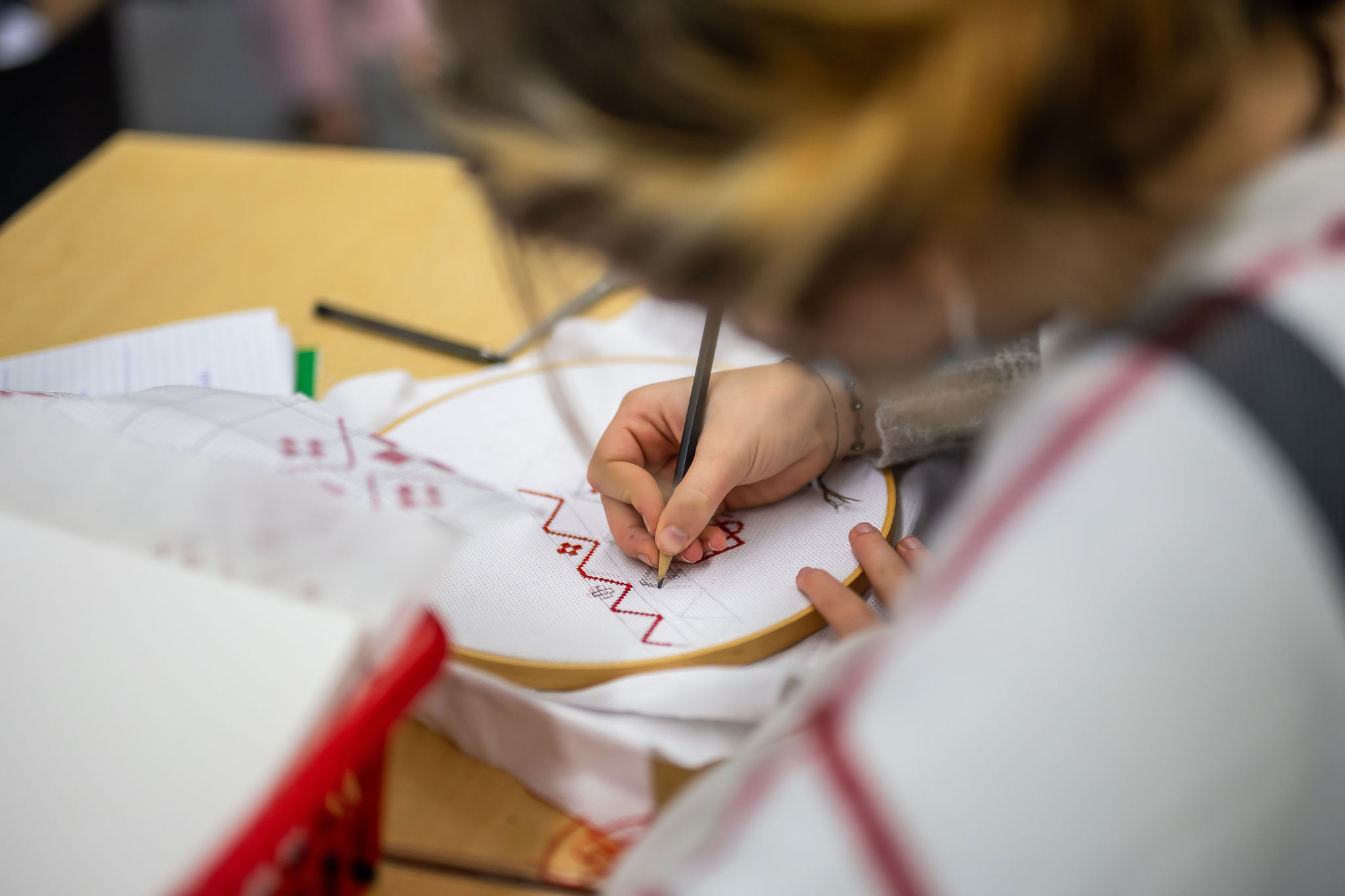
Across all Portage rehabilitation centres, residents take part in art workshops. Most of our sites even have dedicated visual arts rooms, providing a safe, non‑judgmental space where participants can freely express themselves through creativity.
These workshops serve as a true outlet, helping residents express emotions, discover new skills, build confidence in their abilities, and ultimately strengthen their self‑esteem — a fundamental pillar of the therapeutic journey at Portage.
Graphic Design
At the Saint‑Malachie centre, adolescents create graphic design projects that reflect the hope, creativity, and confidence in the future that emerge throughout their therapeutic journey. Guided by an experienced graphic designer, they transfer their hand‑drawn artwork to the computer and then print it on various mediums, such as T‑shirts, banners, and other visual pieces. Several projects are also carried out in collaboration with l'École l’Envol.
Expressing One’s Journey Through Art
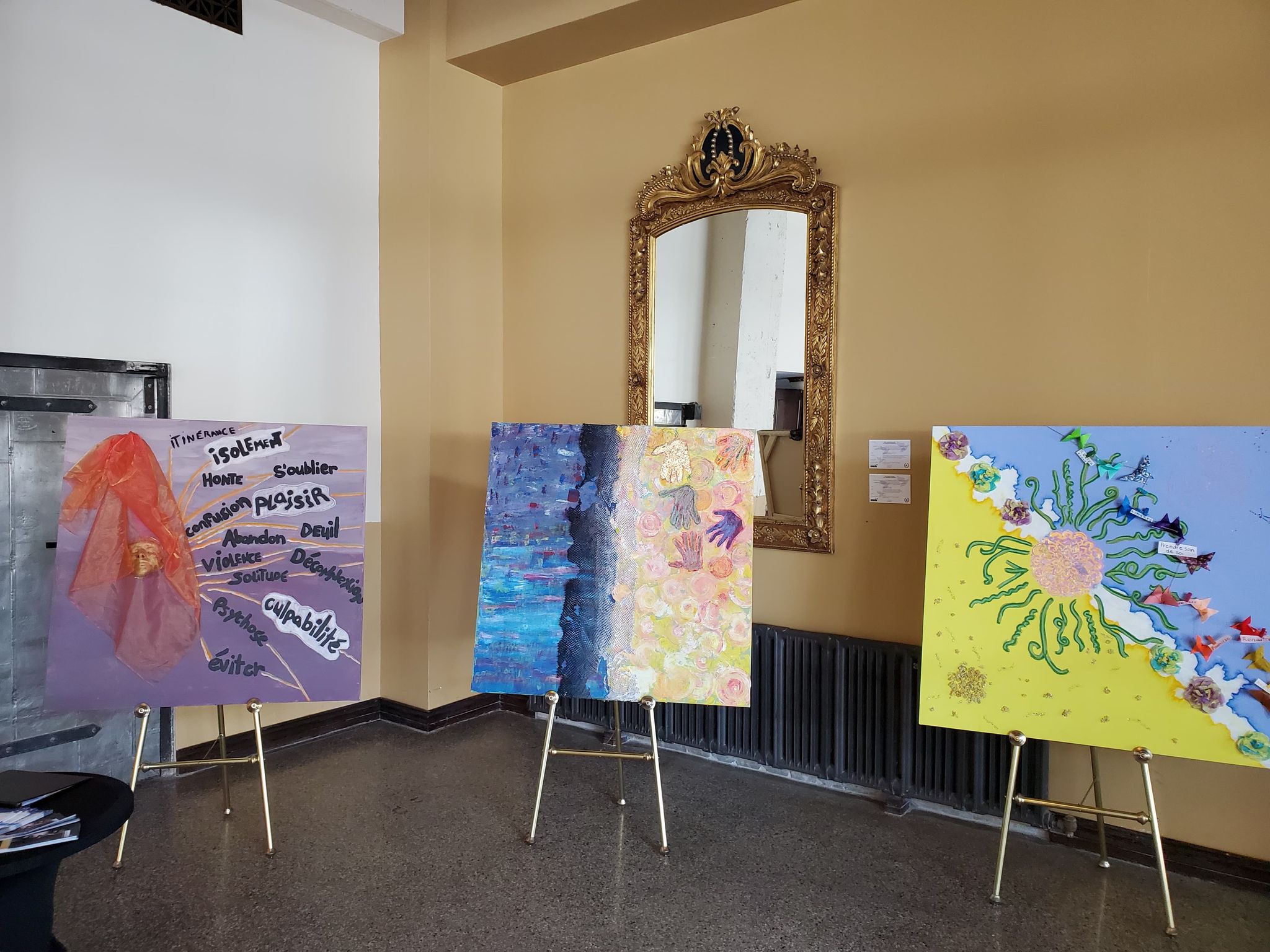
In the Mental Health and Addiction program (schizophrenia and related disorders), residents created a triptych—under the supervision of the art teacher—depicting their life before, during, and after Portage. These works were exhibited at the SIFA Festival in 2022 in Montreal.
Participating in this event was a source of motivation and pride for the residents. This new challenge allowed them to channel their energy, develop their passions, strengthen their autonomy, and build on their progress. It also offered them the opportunity to express their rehabilitation journey, collaborate as a team, and experience the positive impact of artistic creation in their daily lives.
Following this inspiring and unifying project, similar artistic initiatives are being considered to continue fostering this momentum.
BOOK CLUB
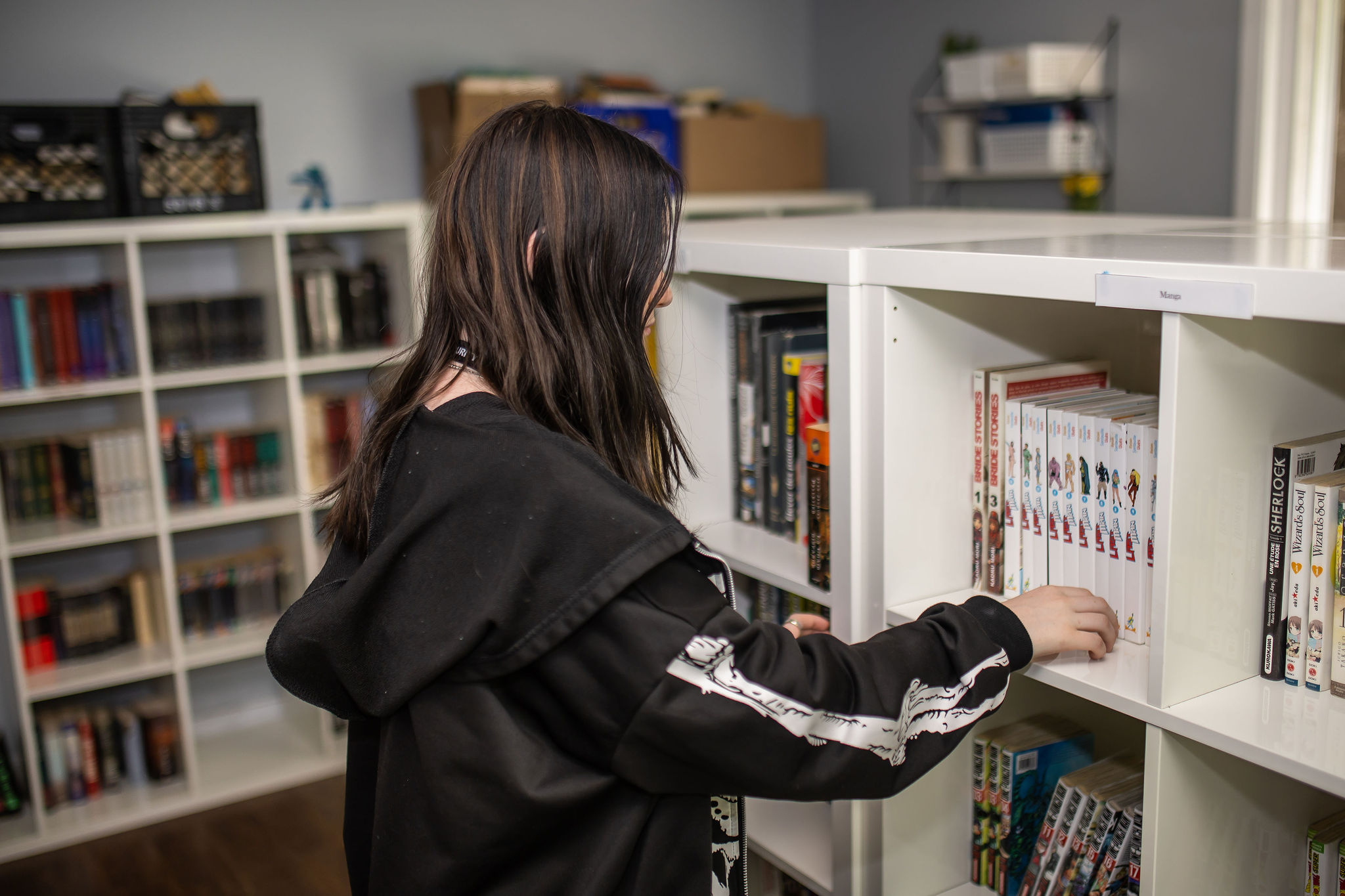
Made possible through the support of the PREL, this project has become a key element in enriching the adolescent program at Lac Écho. In the Portage approach, reading is an essential tool to foster autonomy, reflection, and long‑term freedom from addiction. All our centres are equipped with libraries accessible to residents, encouraging the integration of reading into their daily lives.
The reading club offers a playful and engaging approach, guided by a biblio‑facilitator: discussion workshops, board games, and role‑playing activities inspired by the books and magazines available to the youth. Reading corners have also been set up to provide easy and regular access to books, which contributes, among other benefits, to better emotional regulation and improved sleep.
Stimulated by activities in which reading plays a direct or indirect role, youth discover their strengths, regain confidence in their abilities, and gradually recover the desire to pursue their studies.
With this project, Portage is developing innovative expertise in using reading as therapeutic support and as a vehicle for rehabilitation.